Boudoir photography has emerged as one of the most empowering and transformative genres in contemporary portraiture, yet it remains distinctly different from traditional portrait photography. While your professional headshot captures competence and your family portrait preserves precious memories, boudoir photography serves an entirely unique purpose—celebrating intimacy, sensuality, and personal empowerment. Understanding these distinctions reveals not just different photographic techniques, but fundamentally different philosophies about what a portrait can accomplish.
Purpose and Intent: Beyond Documentation
The most fundamental difference between boudoir and other portrait types lies in their underlying purpose. Traditional portrait photography aims to document appearance, capture personality, or mark specific life events. A corporate headshot exists to present professionalism for LinkedIn profiles or business websites. Family portraits preserve relationships and create memory insurance for future generations. These images serve external audiences—employers, clients, extended family, or posterity.
Boudoir photography, conversely, is primarily created for the subject themselves. While boudoir images may ultimately be shared with romantic partners, the primary purpose is personal empowerment, self-discovery, and body celebration. Research indicates that 87% of boudoir participants report significant confidence boosts following their sessions, and 72% experience improved self-image. This transformative aspect sets boudoir apart—it’s not merely documentation but an experience designed to shift how individuals perceive themselves.
The intent extends beyond capturing how someone looks to exploring how they feel. As one boudoir photographer describes it, “It’s about self-acceptance, going out of your comfort zone and that feeling of accomplishment from doing something that was a bit (or maybe a lot) scary”. Traditional portraits rarely aim for such psychological transformation.
Setting and Environment: Private Versus Public Spaces
Environmental context dramatically distinguishes boudoir from other portrait genres. Traditional portraits occur in studios with plain backdrops, corporate offices, outdoor locations, or family homes—settings chosen for visual appeal or contextual relevance. Environmental portraits specifically showcase subjects in their workplaces or meaningful locations to tell a story about their profession or lifestyle. A chef photographed in their kitchen, an athlete in the gym, or a musician in the recording studio—these images use environment to explain identity.
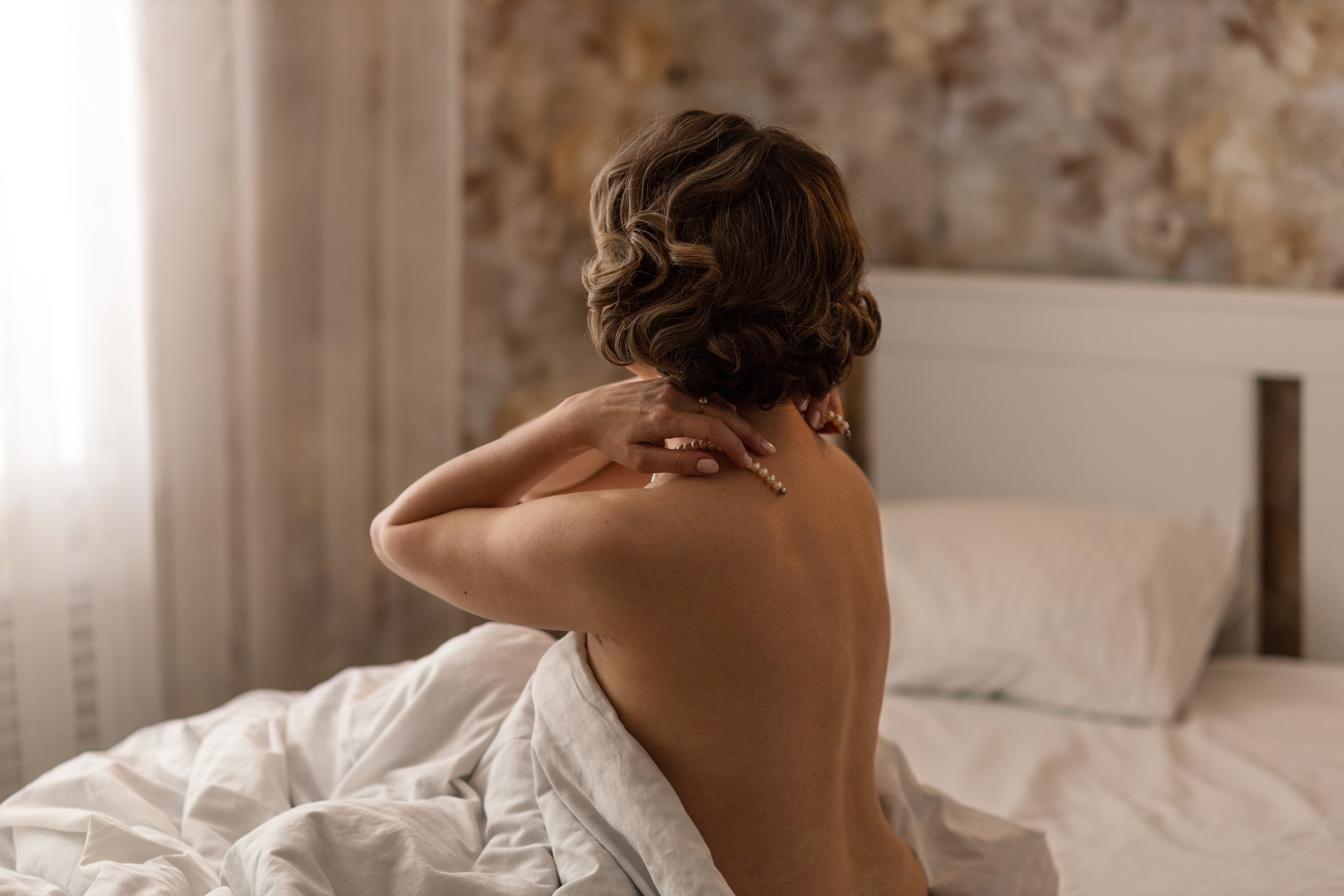
Boudoir photography unfolds in fundamentally intimate spaces. Sessions typically take place in private bedrooms, hotel suites, or studios designed to mimic the intimacy of personal dressing rooms. The French word “boudoir” itself refers to a woman’s private sitting room or salon—a sanctuary away from public view. This privacy is intentional, creating what photographers describe as a “safe space” where vulnerability becomes strength rather than weakness.
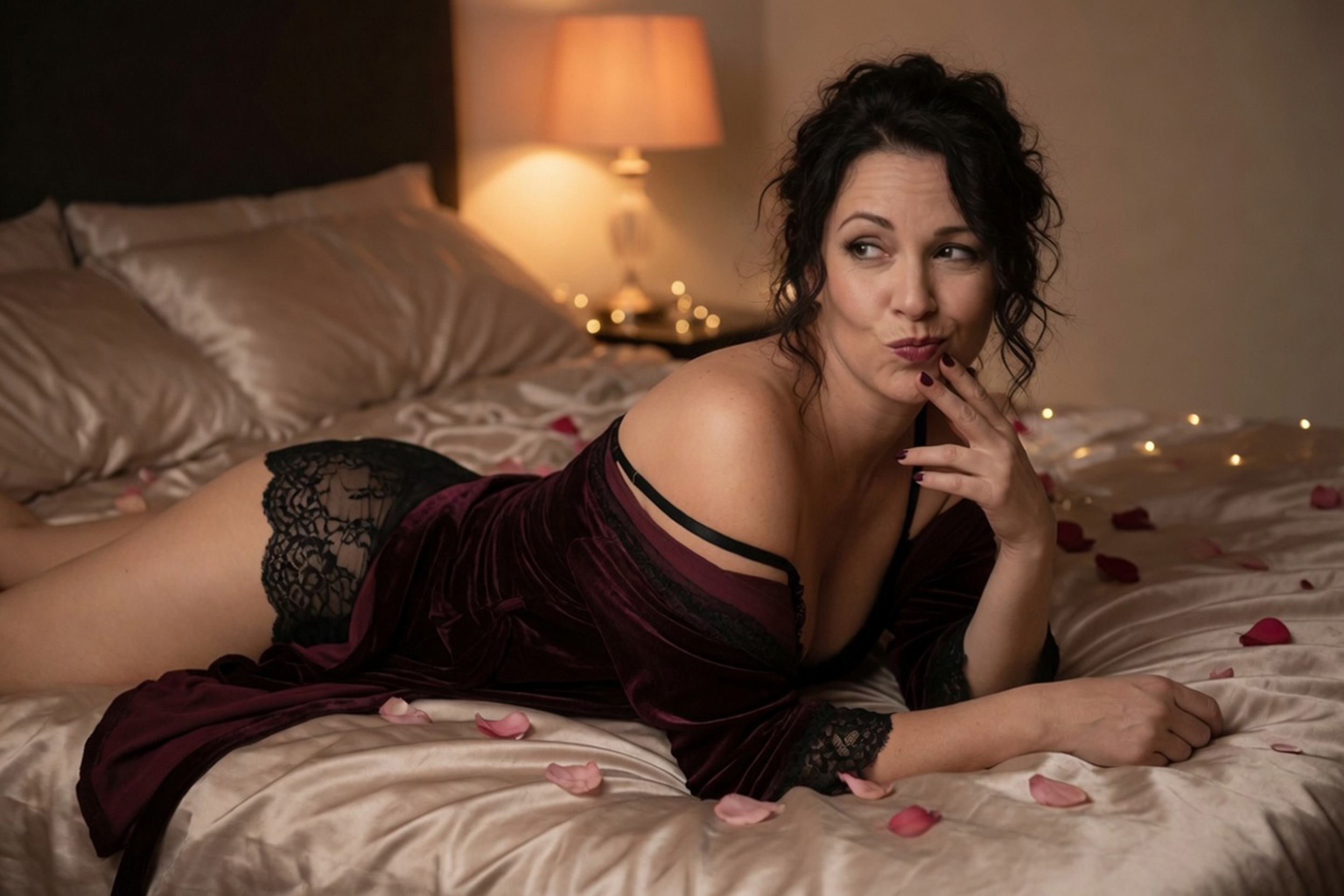
The setting in boudoir photography includes carefully considered elements that enhance intimacy: soft lighting, plush furnishings, flowing fabrics, and muted colors. These environmental details work together to maintain “a sense of privacy and intimacy, maybe even vulnerability”. Unlike environmental portraits where the location tells the subject’s professional story, boudoir settings create an emotional atmosphere that encourages personal expression and sensual exploration.
Wardrobe and Styling: Intimate Versus Formal Presentation
Perhaps no difference is more visually apparent than wardrobe choices. Professional portraits typically feature business attire, formal clothing, or casual wear appropriate for the portrait’s purpose. Corporate headshots require polished, professional outfits that convey competence and approachability. Family portraits might include coordinated colors or casual clothing that reflects the family’s personality. Fashion portraits showcase designer clothing or specific styles for commercial purposes.
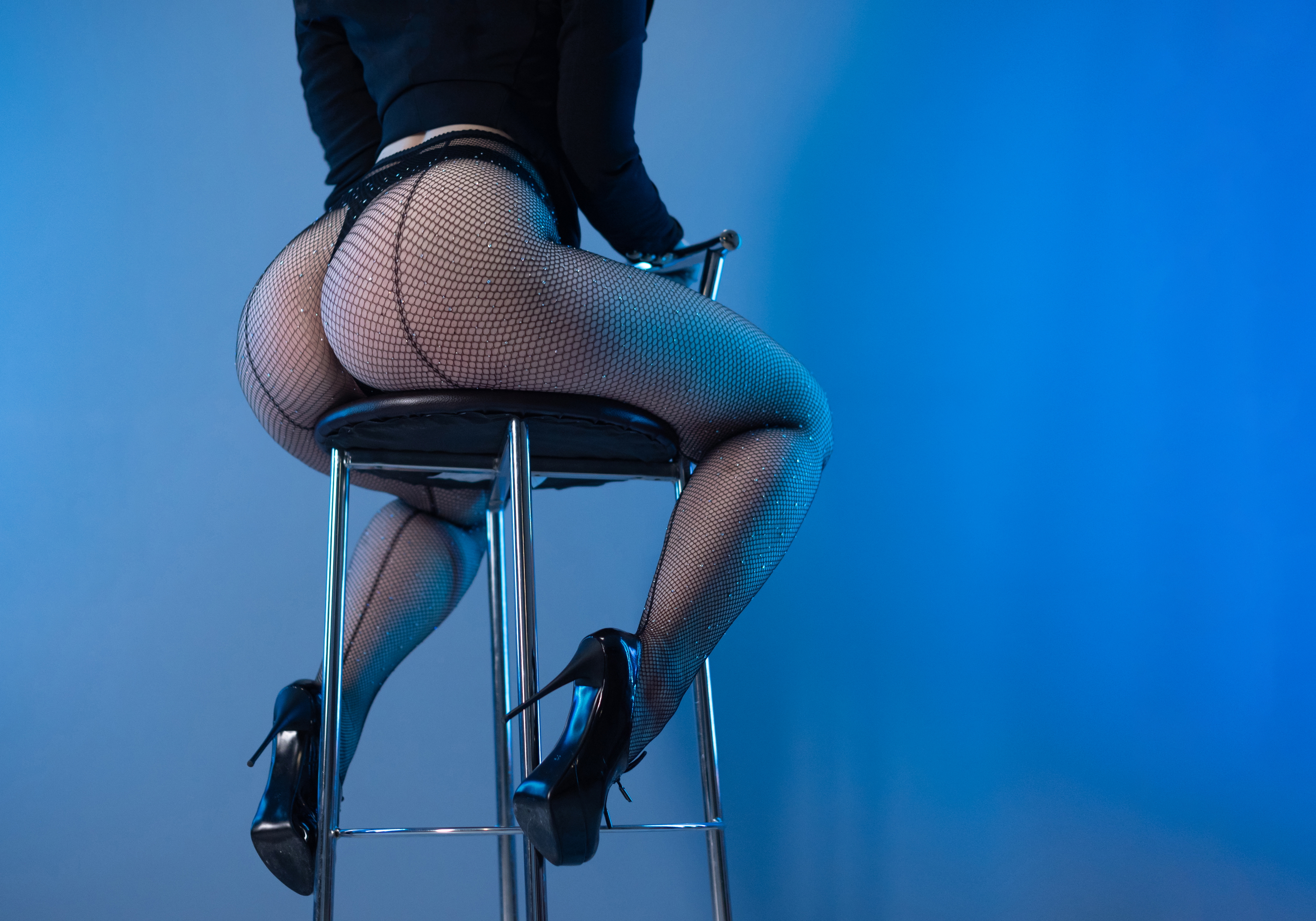
Boudoir photography centers on lingerie, intimate apparel, or strategic states of undress. Common wardrobe choices include lace bodysuits, corsets, bustiers, babydolls, chemises, bralettes, and panties. However, modern boudoir has expanded beyond traditional lingerie to include button-down shirts, oversized sweaters, jeans paired with lingerie, robes, bed sheets, and even swimwear. The unifying principle is that clothing choices emphasize the body’s form and the subject’s sensuality in ways traditional portraits avoid.
The styling extends beyond clothing. Boudoir sessions often include professional hair and makeup designed to enhance natural beauty while creating a glamorous aesthetic. The wardrobe serves not as professional branding or family coordination but as a tool for self-expression and empowerment. As one photographer notes, “The goal is to choose lingerie that makes you feel strong and sexy, whatever that may be”.
Posing and Expression: Sensuality Versus Formality
Posing techniques reveal another crucial distinction. Traditional portrait photography employs structured poses designed to flatter features while maintaining formality. Headshots typically show subjects from the chest up, with shoulders positioned at specific angles to create flattering lines. Corporate portraits might position hands in pockets or at sides, with subjects maintaining upright, confident posture. Family portraits arrange multiple subjects to show relationships while ensuring everyone looks their best.
Boudoir photography utilizes poses that emphasize curves, highlight the body’s sensual qualities, and capture intimate expressions. These poses range from reclining on beds to arching backs, from looking over shoulders to engaging with props like pillows or mirrors. Rather than static positions, boudoir photographers often employ “flow posing”—asking clients to move naturally from one pose to another, capturing the transitions and creating a series of connected, sensual images.
Facial expressions differ dramatically as well. Professional headshots aim for approachable smiles or confident, neutral expressions. Boudoir photography captures a wider emotional range including seductive gazes, playful expressions, vulnerable moments, and empowered confidence. The focus shifts from presenting a polished public image to revealing authentic sensuality and personal power.
Lighting Techniques: Soft Intimacy Versus Sharp Clarity
Lighting approaches further distinguish these portrait types. Traditional studio portraiture often uses multiple light sources to evenly illuminate subjects, eliminate shadows, and create crisp, clear images. Corporate headshots typically employ straightforward lighting setups designed for consistency and reproducibility. Environmental portraits balance ambient light with supplemental flash to separate subjects from their backgrounds while maintaining environmental context.
Boudoir photography favors natural light or carefully controlled artificial lighting to create mood and sculpt the body. Photographers often seek diffused natural light through curtains or windows, creating soft, flattering illumination that enhances skin tones and creates gentle shadows that emphasize curves. When using artificial light, boudoir photographers focus on “specific lighting” that “shapes the form of the subject and defines the entire mood”. The goal is not uniform clarity but atmospheric beauty that serves the emotional intent of the images.
Shadow play becomes particularly important in boudoir work. Rather than eliminating shadows as technical flaws, boudoir photographers use them strategically to create depth, mystery, and visual interest. This approach mirrors the psychological journey of the session—acknowledging both light and shadow as essential components of authentic beauty.
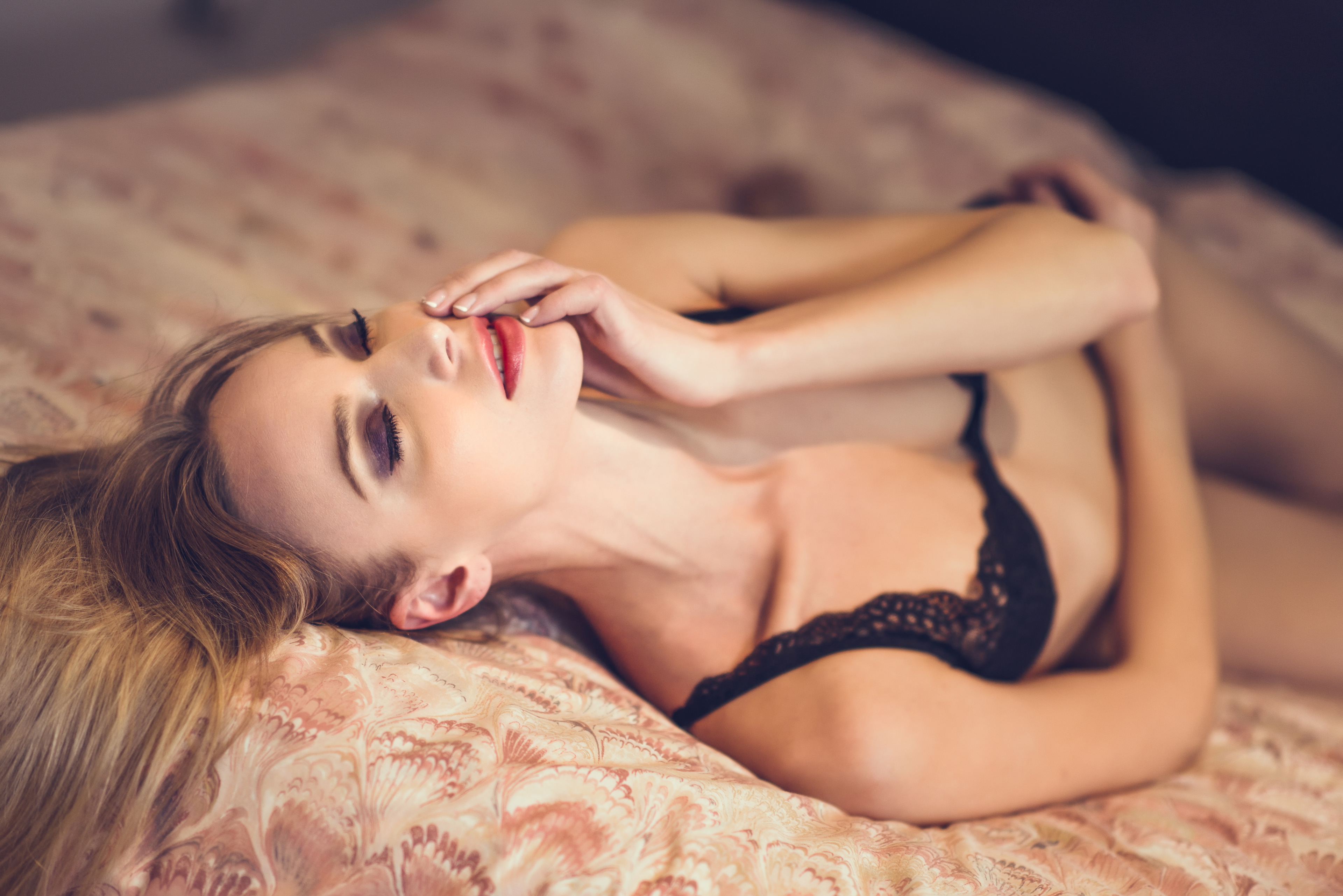 Attractive blonde woman in black lingerie posing on her bed. Young girl wearing underwear with long hair. Nice make-up with black eyeshadow and red lips.[/caption]
The Client Experience: Transformation Versus Transaction
The session experience itself differs fundamentally. Traditional portrait sessions are relatively straightforward transactions: arrive, pose as directed, receive images. Corporate headshot sessions might last 20-60 minutes with quick turnaround times. Family portrait sessions involve managing multiple subjects, often focusing on capturing genuine interactions and smiles.
Boudoir sessions are designed as transformative experiences. They typically begin with professional hair and makeup, creating a sense of pampering and preparation. Sessions last longer—often several hours—allowing time for clients to relax, experiment with different looks, and gradually become comfortable with vulnerability. Photographers spend significant time coaching clients through poses, validating their beauty, and creating an emotionally safe environment.
Many boudoir photographers emphasize the psychological journey. “The real gift was to herself all along,” notes one photographer about clients who initially book sessions as gifts for partners. Another describes the experience as “unapologetically fierce” self-expression. This therapeutic dimension—the confidence boost, the shift in self-perception, the empowerment—is central to boudoir’s identity in ways that don’t typically apply to other portrait types.
Body Positivity and Inclusivity: Celebration Versus Representation
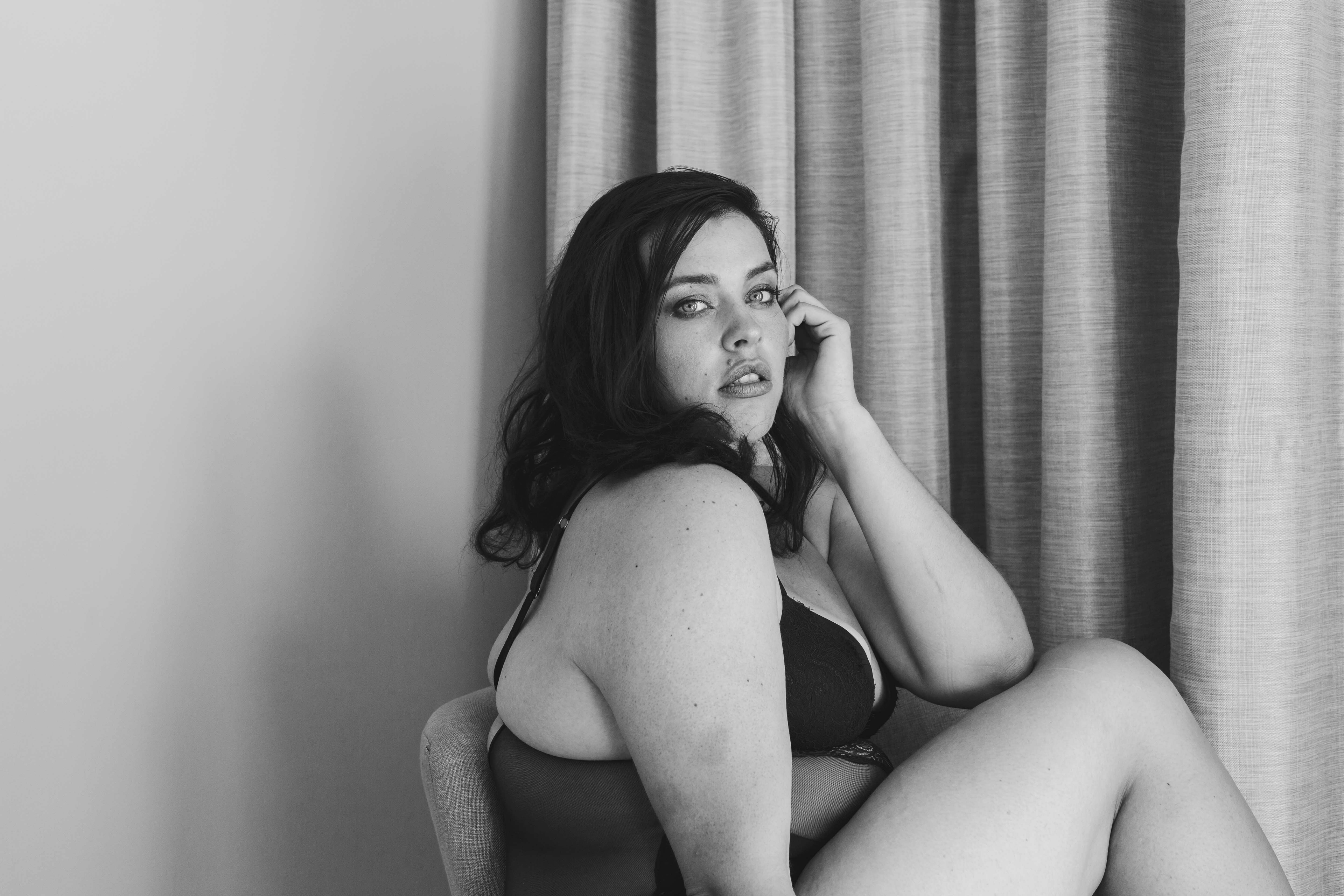
Modern boudoir photography has become intrinsically linked with body positivity movements in ways that distinguish it from other portrait genres. While traditional portraits accommodate diverse subjects, boudoir actively celebrates all body types as an explicit mission. The genre has evolved from its origins to become “a body-positivity empowerment movement” that challenges conventional beauty standards.
Traditional portrait photography certainly photographs diverse individuals, but this diversity often serves representational purposes—showing what clients actually look like for professional or documentary reasons. Boudoir photography goes further, actively working to reshape how clients perceive their bodies. Photographers in this genre frequently describe their work as helping clients “see themselves through a new lens that values authenticity” and “embrace their bodies as they are—flaws, scars, stretch marks, and all”.
This distinction reflects different underlying philosophies. Traditional portraits document reality; boudoir photography seeks to transform how that reality is perceived. Research shows that boudoir participants experience dramatic shifts in body image, with many reporting they now see themselves “as the people who love you see you”. This therapeutic dimension—using photography as a tool for psychological healing and empowerment—represents a fundamental departure from portrait photography’s traditional documentary function.
Intended Audience: Self Versus Others
The question “who are these images for?” reveals perhaps the deepest distinction. Traditional portraits serve external audiences: employers viewing LinkedIn profiles, clients assessing professionalism, family members preserving memories, or the general public consuming fashion imagery. Even personal portraits like senior yearbook photos or engagement pictures are created with the expectation of public sharing.
Boudoir photography is “primarily intended for the private enjoyment of the subject and his or her romantic partners”. The Wikipedia definition captures this privacy emphasis, though many boudoir photographers argue even this misses the point—that boudoir is first and foremost for the subject themselves. These images often remain private, stored in albums or displayed only in private spaces. When shared, it’s on the subject’s terms, not as a professional or social obligation.
This privacy allows for vulnerability impossible in public-facing portraits. As one photographer explains, boudoir creates images that are “for your eyes only” with a “very sensual composition centered around a woman’s body”. The private nature enables subjects to explore aspects of their identity—sensuality, vulnerability, raw confidence—that they might not feel comfortable displaying publicly. This fundamental difference in intended audience shapes every other aspect of how boudoir differs from other portrait types.
Psychological Impact: Empowerment Versus Documentation
Finally, the psychological outcomes distinguish these portrait genres. Traditional portraits aim to please or satisfy—clients should feel they look good, professional, or appropriately represented. A successful headshot makes you look competent and approachable. A good family portrait captures genuine connection and makes everyone look their best. These are important outcomes, but they’re relatively modest psychological goals.
Boudoir photography aims for transformation. The statistics are striking: 87% of participants report significant confidence boosts, 72% experience improved self-image, and many describe the experience as life-changing. Clients frequently report that boudoir sessions helped them “overcome self-doubt” and shift “from self-doubt to self-discovery”. One photographer describes watching clients “be caught off guard with how amazing they look” as “the best” part of the job.
This transformative potential stems from boudoir’s unique combination of factors: the intimate setting, the vulnerable wardrobe, the extended time investment, the professional guidance, and most importantly, the fundamental purpose of self-celebration rather than external presentation. While a good headshot might make you feel more confident in professional settings, a boudoir session aims to fundamentally shift how you perceive your beauty, worth, and personal power.
Conclusion: Different Tools for Different Purposes
Boudoir photography differs from other portrait types not in degree but in kind. While traditional portraits, headshots, family photos, environmental portraits, glamour photography, and fashion imagery all serve valuable purposes—documentation, professional branding, memory preservation, commercial needs—boudoir operates in a distinct realm. It combines intimate settings, sensual presentation, extended transformative experiences, and private audiences to create something more akin to therapeutic art than traditional photography.
Understanding these distinctions helps potential clients choose the right type of photography for their needs. Need a professional image for your career? Choose a corporate headshot. Want to preserve family memories? Book a family portrait session. Seeking personal transformation, body celebration, and empowering self-discovery? Boudoir photography offers something no other portrait type can replicate—a private journey toward seeing yourself through the lens of power, beauty, and unapologetic self-love.
The rise of boudoir photography reflects broader cultural shifts toward body positivity, mental health awareness, and the recognition that self-love is not vanity but necessity. In a world saturated with images designed for public consumption, boudoir creates space for private beauty, vulnerable strength, and the radical act of celebrating yourself exactly as you are. That fundamental difference—from documentation to transformation, from public to private, from representing reality to reshaping perception—is what truly sets boudoir apart from all other forms of portrait photography.