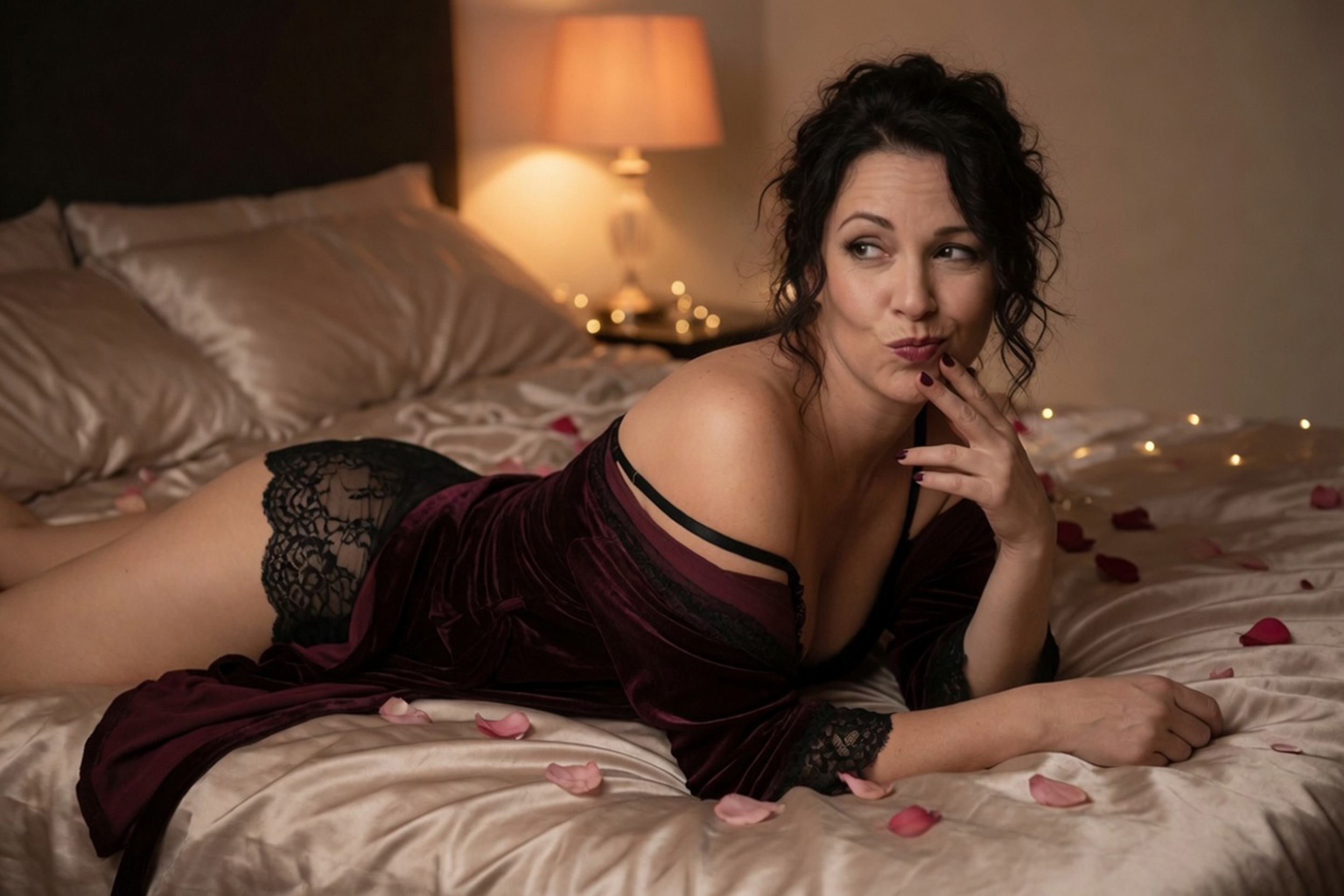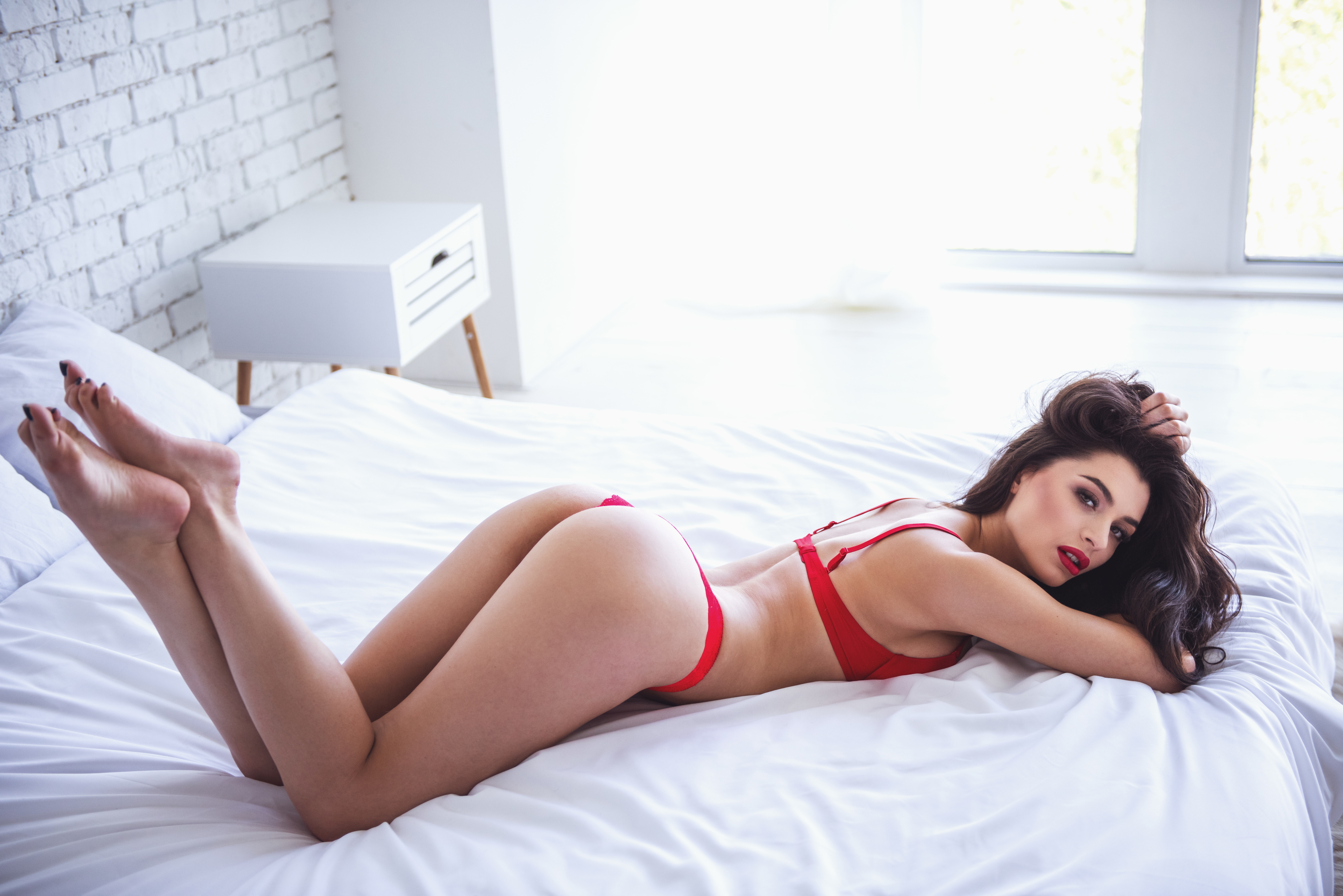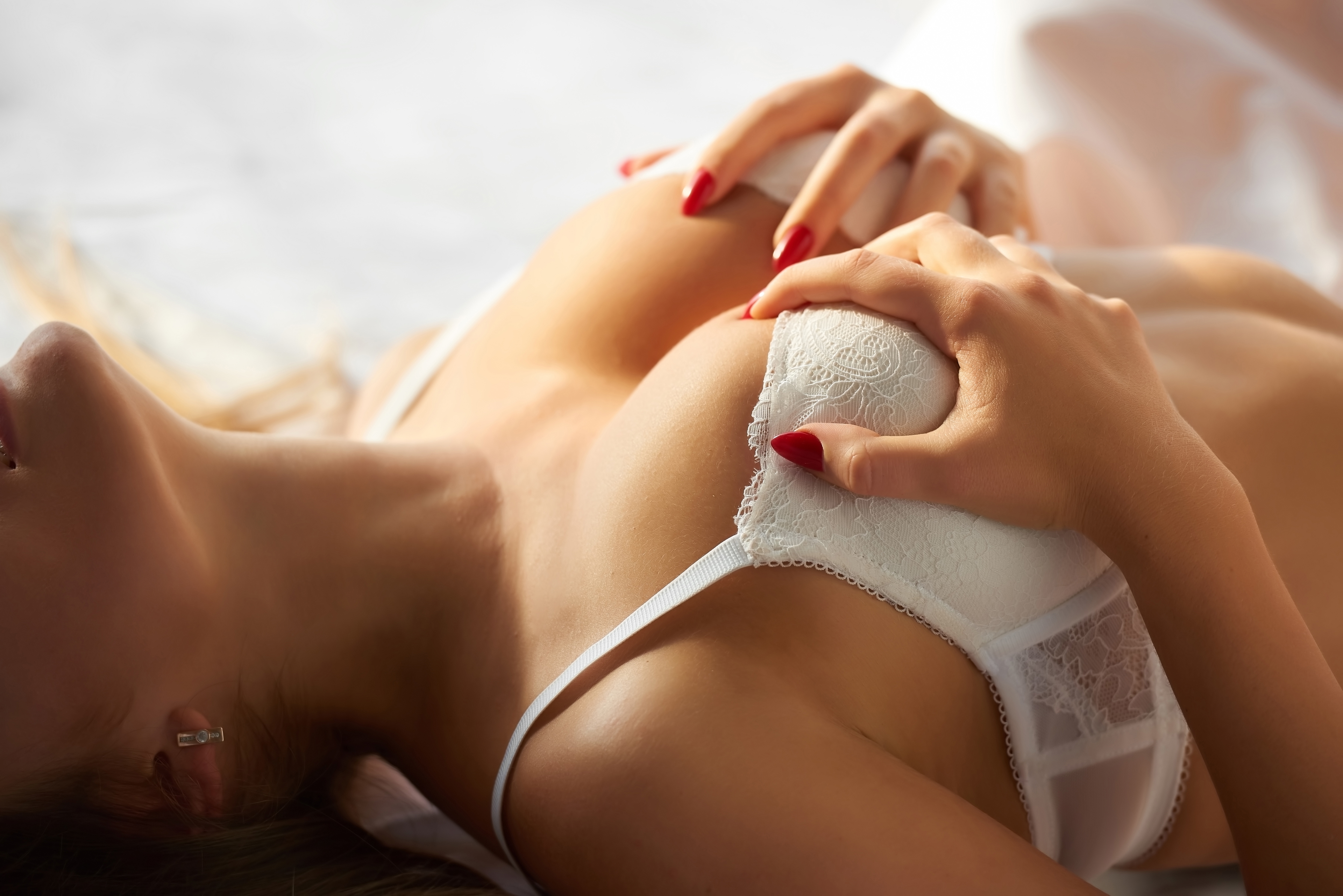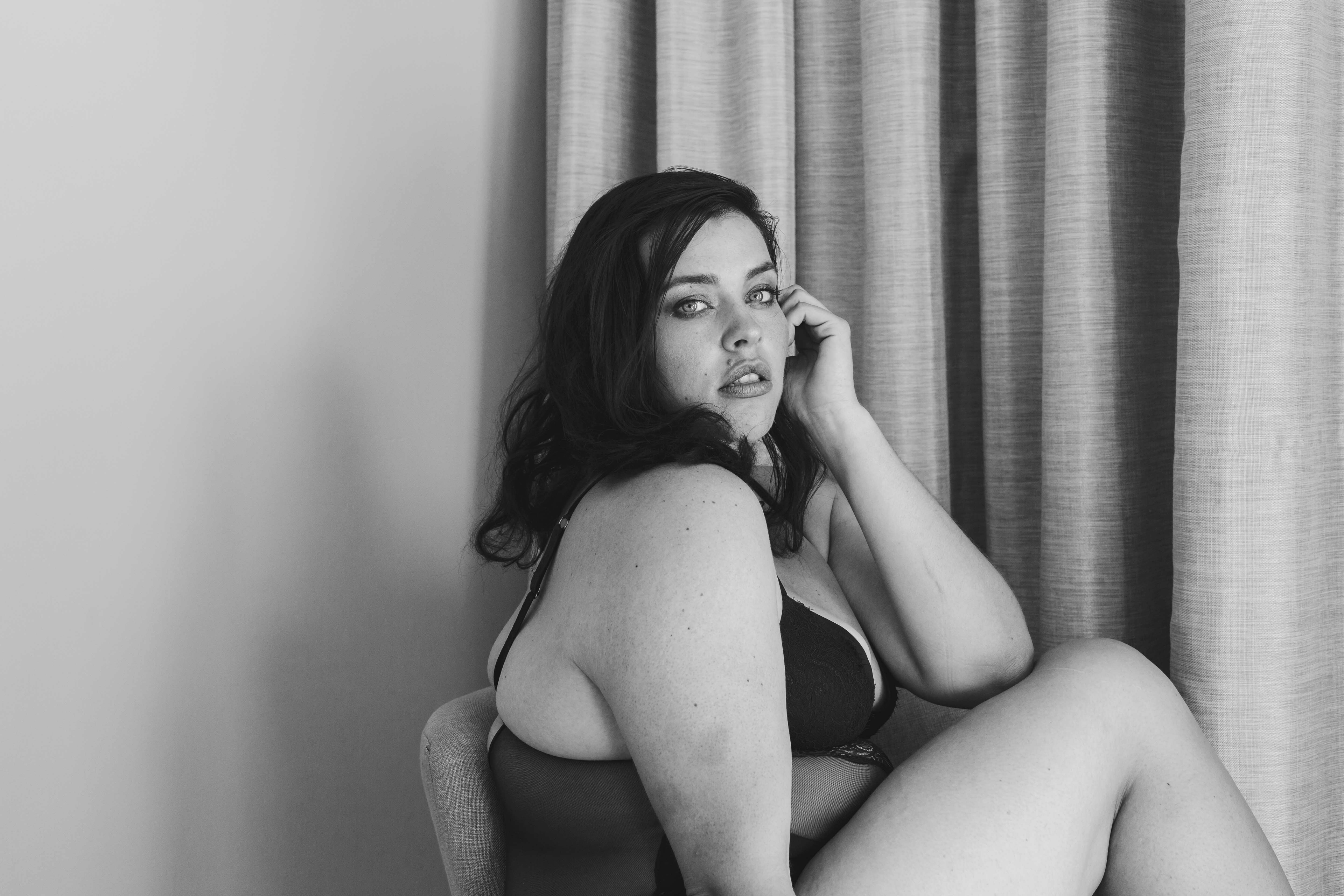
Stepping into a boudoir studio for the first time can feel like standing at the edge of a cliff—exhilarating yet terrifying. For plus-size women, that leap of faith carries additional weight: society’s endless messages about what bodies “should” look like, the scarcity of representation in mainstream media, and deeply ingrained insecurities that whisper we’re not ready, not worthy, not “there” yet. But here’s the truth that’s reshaping the boudoir photography landscape: your body doesn’t need permission to be celebrated. It doesn’t need to shrink, transform, or apologize. It deserves to be honored exactly as it is—right here, right now.
Plus-size boudoir photography has emerged as a powerful movement within the broader body-positive revolution, creating spaces where curves are not merely accepted but genuinely celebrated. This isn’t about settling or making do—it’s about recognizing that approximately 67% of American women wear size 14 or above, yet traditional beauty standards continue to idolize an unattainable thinness that represents a vanishingly small fraction of real bodies. The disconnect between reality and representation has profound consequences: studies show that individuals with obesity experience significantly higher body dissatisfaction than their normal-weight counterparts, with women particularly affected by these cultural pressures. But boudoir photography offers an antidote—a chance to reclaim your narrative and see yourself through a lens of empowerment rather than judgment.
Research demonstrates that 88% of clients report higher self-esteem and body image after their boudoir session, while studies published in academic journals confirm that viewing positive, empowering images of oneself significantly improves body image and self-worth. The science behind this transformation involves neurochemistry: positive experiences that reinforce self-esteem activate the brain’s reward system, flooding it with dopamine—the “feel-good” chemical that boosts mood and confidence. Add the serotonin boost that comes from being pampered and celebrated, and you’ve created a potent cocktail for lasting confidence.
But the benefits extend beyond brain chemistry. A boudoir session provides what many women desperately need: a dedicated space to focus entirely on themselves. In a culture that constantly demands women give to everyone else—partners, children, employers, communities—carving out time for self-appreciation becomes a radical act. One client described her postpartum session as “a gift that allowed me to make space for myself during the season of life I was in. This shoot led me back home to honor and love myself again”. This sentiment captures the essence of what makes boudoir photography so transformative: it’s not about becoming someone different; it’s about rediscovering who you’ve always been beneath the layers of societal expectations and self-doubt.
The healing potential of boudoir photography proves particularly powerful for women navigating major life transitions—whether recovering from illness, celebrating weight loss or gain, marking a significant birthday, or simply reclaiming their bodies after years of criticism. Each photograph becomes tangible evidence of beauty that exists independent of the harsh internal critic so many women carry. As one photographer noted, “The camera doesn’t focus on flaws—it highlights strength, softness, and beauty”. This intentional shift in perspective allows participants to move from judgment to appreciation, replacing decades of negative self-talk with visual proof of their inherent worth.
Choosing the Right Photographer: Your Most Important Decision
Not all boudoir photographers are created equal, and when it comes to plus-size photography, choosing the right professional can make or break your experience. The wrong photographer—one who lacks experience with diverse body types or doesn’t understand how to flatter curves—can actually harm your self-esteem, the very opposite of what boudoir should achieve. So how do you find someone who will truly celebrate your body?
Start by reviewing portfolios extensively. Look for photographers whose galleries showcase women with bodies like yours—not just one token plus-size client, but genuine diversity across sizes, ages, and body types. Pay attention to how these women are lit, posed, and presented. Do they look confident and beautiful? Does the photographer seem to understand how to create curves through posing and use lighting to sculpt and flatter fuller figures?. If a portfolio consists exclusively of size-2 models, that photographer may lack the specialized skills needed to make you look and feel your best.
Client testimonials from plus-size women provide invaluable insight. Seek out reviews that specifically address the photographer’s ability to make clients feel comfortable, guide them through poses, and deliver images that exceeded expectations. One client praised her photographer for knowing “EXACTLY how to pose me so my pictures were perfect”, while another emphasized the importance of feeling safe and supported throughout the session. These testimonials reveal not just technical skill but emotional intelligence—the ability to create a judgment-free environment where vulnerability transforms into strength.
During your consultation, assess the photographer’s communication style and body-positive philosophy. A skilled plus-size boudoir photographer should discuss lighting, angles, and posing techniques specifically tailored to your body type. They should make you feel excited rather than anxious, confident rather than critiqued. Red flags include photographers who suggest you lose weight before the session, who seem uncomfortable discussing plus-size photography, or who lack enthusiasm for celebrating diverse bodies. Trust your instincts—if something feels off during the consultation, it will likely feel worse during the actual shoot.
Look for photographers who embrace body neutrality or body positivity as core values. Body neutrality—accepting your body as it is without focusing solely on appearance—can be especially helpful for women who find “body positive” messaging overwhelming or inauthentic. A photographer who understands this nuance will create space for wherever you are in your body acceptance journey, whether that’s fierce self-love or quiet neutrality.
Preparing for Your Session: Practical Steps to Confidence
Preparation makes the difference between feeling frazzled and feeling fabulous on shoot day. The good news? Most preparation focuses on simple self-care practices rather than dramatic transformations. Remember, you’re not preparing to become someone else—you’re preparing to be the most radiant version of yourself.
Clothing
While lingerie is traditional for boudoir, it’s certainly not mandatory. Many women feel most confident in alternative options: an oversized button-down shirt (perhaps borrowed from a partner), a cozy sweater worn off one shoulder, high-waisted jeans paired with a bra, or even a simple sheet for something soft and intimate. The key is selecting pieces that you feel genuinely comfortable wearing, not what you think boudoir “should” look like.
For lingerie lovers, several guidelines ensure maximum confidence and flattering fit. Go one size up from what you typically wear—you don’t want elastic digging into your skin or creating “muffin tops” that make you self-conscious. Opt for thongs or cheeky styles rather than boy shorts, which can cut across the leg at unflattering angles. High-waisted pieces work beautifully for plus-size bodies, creating elegant lines while providing coverage where many women want it. Bodysuits offer another excellent option, smoothing lines while still highlighting natural curves.
Structure is your friend in boudoir photography. Pieces with underwire, boning, or supportive construction help create definition and shape. Corsets, while intimidating to some, can be stunning on plus-size bodies when properly fitted—just ensure you can breathe comfortably. Push-up bras or well-fitted bralettes help create appealing silhouettes, while garter belts and stockings add vintage glamour and draw attention to legs.
Fabric choice matters more than you might think. Silk photographs beautifully under both artificial and natural light, creating a luxurious look that flatters all skin tones. Lace adds texture and femininity while strategically concealing areas you may feel less confident about. Sheer fabrics create mystery and allure, revealing just enough while maintaining elegance. Avoid fabrics with large, chunky patterns that can overwhelm your frame—instead, opt for solid colors or subtle patterns that complement your skin tone.
Skin, Hair, and Self-Care
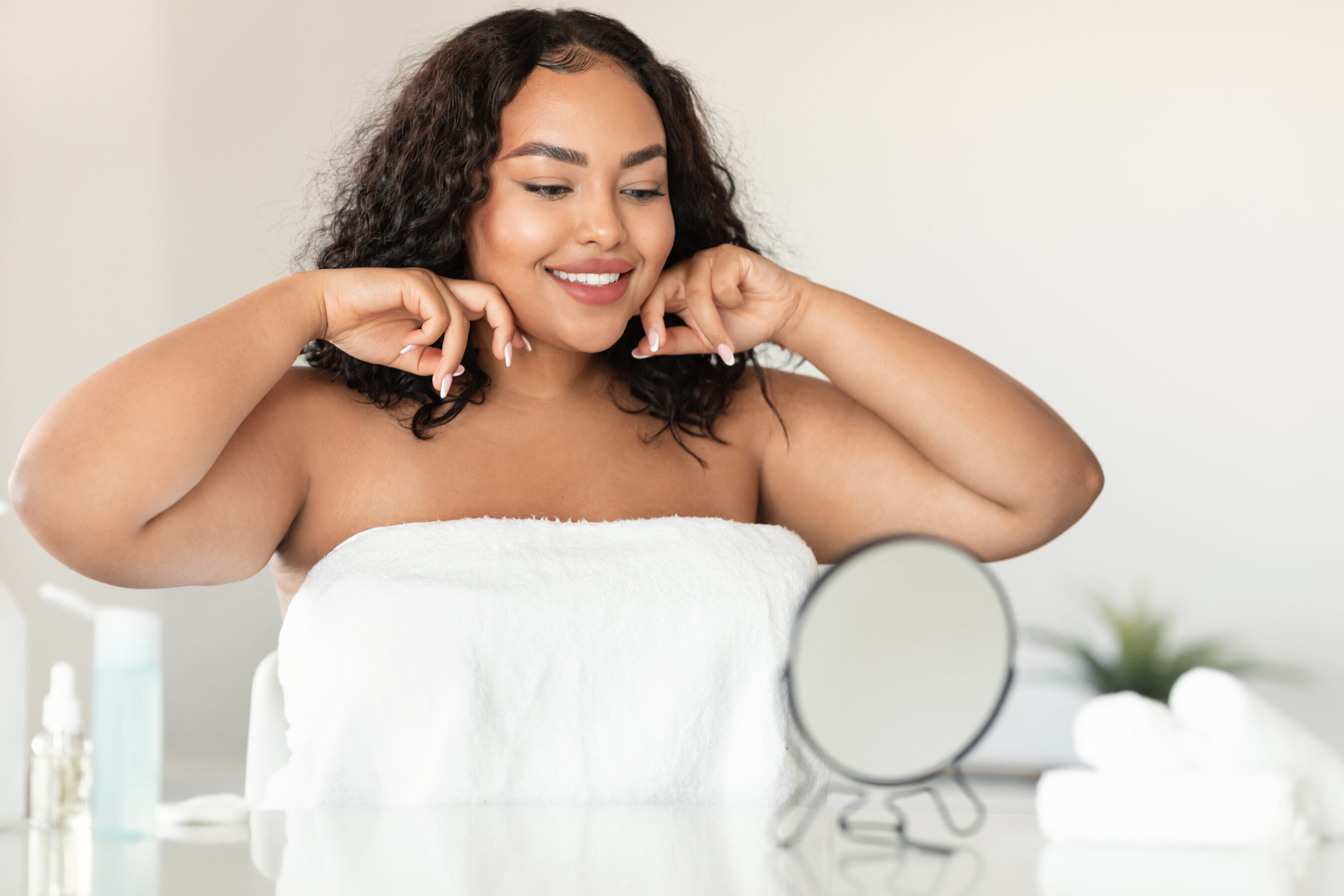
Hydration is non-negotiable. Start drinking significantly more water at least two weeks before your session—your skin will look plumper, more radiant, and makeup will apply more smoothly over well-hydrated skin. One photographer emphasized, “Your body will look and feel better if it’s properly watered”. Continue hydrating right up to and on the day of your shoot.
Schedule hair coloring 2-3 days before your session if you plan to refresh your color. Doing it too early reveals roots, while coloring too close to the shoot date can leave residue on your scalp or cause unwanted tones to appear in photos. If you’re considering a haircut, book it at least a week or two in advance—you don’t want haircut regrets immortalized in boudoir photos. Instead, focus on deep conditioning treatments in the week leading up to your session to ensure hair looks healthy and shiny.
Handle any grooming needs 3-4 days before your session, not the day before. This applies to waxing, shaving, eyebrow shaping, or any other hair removal. Giving your skin time to recover prevents redness, irritation, or bumps from showing up in photos. The same timeline works for facials or exfoliation—do these treatments several days out so your skin looks fresh rather than irritated.
Professional hair and makeup are worth every penny. These services are often included in boudoir packages precisely because they make such a dramatic difference. Professional artists understand how to create looks that photograph beautifully under studio lighting—very different from everyday makeup. They know tricks like avoiding SPF-containing products (which cause ghostly white faces under flash), using setting spray to ensure longevity, and creating dimension that reads well on camera.
Beyond technical expertise, the hair and makeup process serves as the unofficial beginning of your boudoir experience. This hour of pampering allows you to relax, get comfortable in the studio space, and begin building rapport with your photographer before you even change into your first outfit. As one photographer explained, “It would be a little weird to walk in the studio and jump right into shooting! Your time in the hair and makeup chair is relaxing and allows us to get to know each other”. This transition time proves invaluable for calming nerves and shifting your mindset from everyday life into this special experience focused entirely on you.
For makeup, a smoky eye with neutral lips remains a classic boudoir look that flatters virtually everyone. For more dramatic sessions, false lashes add impact and make eyes pop in photos. Bold lips—particularly classic red—create vintage glamour and sensuality. Bring multiple lipstick options (both matte and light shine, from neutral to bold) to match different outfit changes and moods. Avoid chunky glitter (it photographs poorly), heavy contouring (can look muddy on camera), and mineral makeup or anything with SPF.
Hair styling options for plus-size boudoir are wonderfully versatile. Loose waves or curls create romantic, touchable texture that works beautifully for running hands through hair during poses—a common boudoir technique. Beautiful braids offer structured elegance that photographs gorgeously in silhouette shots. Natural hair worn with confidence makes a powerful statement. Short hair or shaved heads simplify the process considerably—just schedule a fresh trim close to your session date.
The Night Before and Day Of
Avoid alcohol and salty foods the night before your session, as both can cause bloating and puffiness. Get a full night’s sleep—you’ll feel better, look more refreshed, and have the energy to fully enjoy the experience. Pack your “boudoir bag” with all outfits, accessories, touch-up makeup, and any props you want to incorporate.
On shoot day, wear loose-fitting clothing to avoid marks, lines, or indentations on your skin. Remove hair ties from your wrist, tight watches, and restrictive socks well before you need to be camera-ready. Eat a light meal or substantial snack beforehand—many women make the mistake of skipping food to have the flattest stomach possible, but you’ll feel better, look more vibrant, and have the energy to fully engage when you’re properly nourished. As one photographer put it, “I’d rather you be well-fed than hangry during the session”.
Shower before your session and ensure feet are clean, then wear loose socks to keep them looking fresh. Avoid white deodorant, which leaves visible streaks in underarm shots. Come with a clean face and clean hair if you’ll be receiving professional hair and makeup services—artists can add texture or “dirty up” clean hair with product, but they can’t effectively work with actually dirty hair.
Most importantly, give yourself permission to feel nervous. According to one photographer, “Literally, 80% of the clients I work with” express anxiety before their session, yet virtually all leave feeling empowered and beautiful. That nervousness is normal—even expected—and skilled boudoir photographers know exactly how to ease you into the experience gradually, starting with simpler poses before progressing to more vulnerable ones.
During Your Session: What to Expect
Walking through the studio door marks the most nerve-wracking moment for most clients. But from that point forward, everything is designed to make you feel comfortable, celebrated, and beautiful. You’ll start with a conversation, not a camera. Your photographer will discuss your goals for the session, review your outfit choices, and explicitly discuss boundaries around nudity, pose comfort levels, and what you absolutely don’t want photographed. This conversation establishes that you control the narrative—you decide the “spiciness” level, what gets photographed, and what stays private.
Posing: The Secret to Flattering Photos
The biggest fear for most boudoir clients? “I don’t know how to pose”. Here’s the truth: you don’t need to know how to pose—that’s literally your photographer’s job. A skilled plus-size boudoir photographer has mastered poses that create curves, elongate the body, and highlight your best features while minimizing areas you feel self-conscious about. They’ll guide you through every movement, often demonstrating poses themselves (yes, complete with awkward faces) to show you exactly what to do.
The fundamental principle of plus-size boudoir posing is simple yet transformative: create curves. Human physiology naturally creates beautiful curves when you follow certain guidelines. One of the most effective techniques photographers call the “lasso trick”: shift your weight to your back leg, then imagine a lasso tied around your waist that the photographer is pulling from behind. This simple visualization helps you push your hips back, creating instant curves and a more dynamic silhouette. This old Hollywood trick shows up constantly in red carpet photography because it works so reliably.
Arms up might sound intimidating, but it’s actually one of the most versatile and flattering poses for plus-size women. Raising your arms—whether both or just one—creates multiple curves along your body while elongating your torso and emphasizing your waist. This pose works whether you’re standing, sitting, or lying down, facing the camera or turned away. You can play with variations: both arms flexed overhead, one arm up and one down, hands in hair, or arms framing your face. The possibilities are endless, and your photographer will help you find what feels natural.
Side-lying poses offer universal appeal for all body types. Lying on your side naturally narrows the waist and raises the hips, creating that coveted hourglass effect. The key consideration for plus-size women is breast positioning—since larger breasts may overwhelm the frame, photographers often suggest push-up bras, corsets, or even men’s oversized shirts to create different aesthetic options. This pose radiates ease and relaxation, perfect for boudoir’s intimate atmosphere.
The power pose—standing straight toward the camera—defies traditional posing wisdom that says facing forward makes you look “boxy”. But here’s the exception: boudoir photography is fundamentally about empowerment, and standing proud and confident communicates strength and self-assurance. This pose works particularly well for plus-size women precisely because it refuses to apologize for taking up space. It declares, “This is my body, and I’m not hiding”. Don’t slouch—stand tall with shoulders back to maximize the powerful impact.
Arching your back remains vital for highlighting curves, especially when photographed from the side. Whether standing, kneeling, or lying on your stomach, this movement emphasizes your posterior while improving overall posture. It’s one of the easiest poses to master and delivers instant results.
The classic over-the-shoulder look creates irresistible allure. Turn your back to the camera, then look back over your shoulder—as if inviting the viewer to follow you. This pose works beautifully with bare backs or elegant robes. One tip: shoulders can appear wider in horizontal shots, so vertical framing often works better for this pose.
Sitting or reclining on furniture adds variety and comfort to your session. Couches, beds, chairs, and even outdoor settings (somewhere private) provide opportunities for diverse moods beyond the bedroom aesthetic. These surfaces allow for relaxed, natural-looking poses that feel less staged.
Close-up shots shouldn’t be forgotten. Detail shots of hands on curves, collarbone and shoulder areas, or legs in stockings create suggestive, artful images that add depth to your gallery. These tight crops focus attention on specific beautiful details rather than your body as a whole, which many women find empowering.
Throughout the session, your photographer will make constant small adjustments—tilting your chin slightly, adjusting hand placement, refining the angle of your shoulders. These micro-movements make enormous differences in the final images, transforming “good” into “stunning.” Trust the process and your photographer’s expertise. They can see things through the viewfinder that you can’t, and they’re solely focused on making you look incredible.
Lighting is essential in all boudoir photography, but especially for plus-size sessions. Light has the power to shape your body, highlighting areas you love while using shadow to minimize areas you feel less confident about. Photographers use this to their advantage, directing viewer attention exactly where you want it.
Natural light from windows typically provides soft, warm, flattering illumination perfect for feminine portraits. This diffused light wraps around curves beautifully, creating gentle shadows that sculpt without harshness. However, for moody, dramatic looks, photographers might use strong artificial lights that create hard shadows and bold contrast. Some sessions incorporate colored gels or creative light sources for artistic effects.
The right lighting doesn’t just flatter—it fundamentally shapes how your body appears in two-dimensional photos. A photographer experienced in plus-size boudoir knows how to position lights to accentuate curves, create the illusion of dimension, and ensure skin tones photograph true and beautiful.
The Bigger Picture: Body Positivity as Revolution
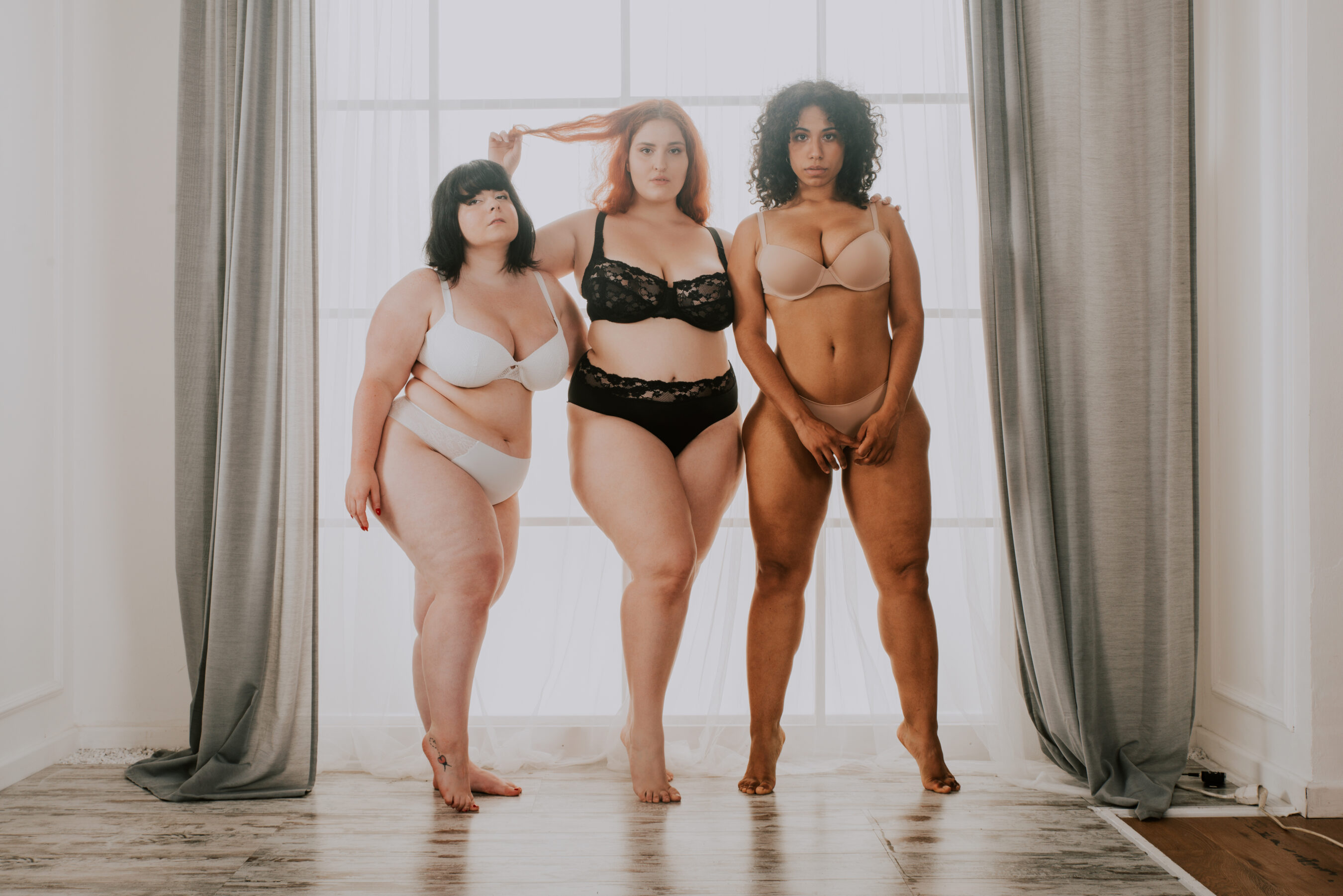
When you book a plus-size boudoir session, you’re participating in something larger than a photoshoot—you’re joining a movement that challenges deeply entrenched beauty standards. For generations, the fashion and beauty industries promoted increasingly narrow definitions of acceptable bodies. Victoria’s Secret models’ measurements decreased steadily over 23 years, moving further from the average American woman’s body while society simultaneously experienced rising obesity rates. This created a widening gap between reality and representation, leaving the majority of women feeling invisible or inadequate.
Plus-size models and boudoir photography are beginning to change this narrative. While plus-size models still command significantly smaller social media followings than mainstream models (3.8 million versus 38 million on average for top-tier models), they generate similar engagement rates—suggesting genuine audience connection despite smaller reach. Studies demonstrate that women who view body-diverse campaigns find them more uplifting and empowering, with positive impacts on self-esteem and mood. The more we see diverse bodies celebrated, the more normal—and beautiful—they become.
Representation matters profoundly. When you share your boudoir images (to whatever extent feels comfortable), you contribute to this cultural shift. You become visible proof that beauty doesn’t have a size limit, that confidence looks stunning at any weight, that all bodies deserve celebration. Your photos might inspire another woman to take her own leap of faith, creating a ripple effect of empowerment.
Overcoming the Final Barriers: Permission to Begin
Perhaps you’ve read this entire article thinking, “This sounds amazing, but…” That “but” might be “but I need to lose 20 pounds first” or “but I’m not photogenic” or “but I’m too old/young/scarred/stretch-marked.” Every single one of those statements is a lie society has told you. They’re excuses that keep you from experiencing something transformative.
Your body doesn’t need to change to deserve celebration. In fact, waiting for “someday” when you’ve achieved some arbitrary standard means potentially never honoring the body you have right now—the body that carries you through life, that has survived challenges, that deserves appreciation exactly as it is. As one photographer powerfully stated: “Boudoir isn’t a reward for weight loss. It’s a declaration of love for the body you’re in—right here, right now”.
“Not photogenic” is a myth. What people usually mean when they say this is “I don’t like how I look in photos taken by people who don’t know what they’re doing.” Professional photographers are photogenic—they know how to pose you, light you, and capture you in ways that highlight your best features. That’s their entire profession. One client admitted, “I felt overweight” before her session but discovered after seeing her photos that “my weight didn’t bother me as much”. The difference wasn’t her body—it was the skill of someone who knew how to photograph it beautifully.
You don’t have to feel confident to book a boudoir session. In fact, many of the most profound transformations happen for women who arrive feeling deeply insecure about their bodies. Boudoir isn’t about documenting confidence you already have—it’s about discovering confidence you didn’t know existed. As one client explained, “I’ve struggled with my weight and being comfortable in my own skin for a long time… These photos helped reaffirm that a healthy, happy body is so much better than one afraid to eat”.
Age is meaningless in boudoir photography. Women in their 40s, 50s, 60s, and beyond book sessions to celebrate exactly where they are in life’s journey. Your laugh lines, silver hair, and the stories written on your body are beautiful—not despite your age, but because of it. Each year brings experiences that shape you, and all of those experiences deserve to be honored.
Your Invitation: The Camera Is Waiting
Boudoir photography for plus-size women represents radical self-acceptance in a world that profits from your insecurity. It’s a middle finger to diet culture, to Photoshopped perfection, to every message that ever made you feel “less than.” It’s choosing to see yourself as worthy of artistic celebration, sensual expression, and unfiltered joy.
The technical elements—the poses, the lighting, the lingerie choices—matter because they help create stunning images. But the true magic happens internally. It’s the moment you stop apologizing for taking up space. It’s when you realize that confidence isn’t something you earn through physical transformation but something you claim through radical self-acceptance. It’s understanding that your curves tell a story worth preserving, that your body deserves to feel beautiful, that you—exactly as you are—deserve to be seen, celebrated, and honored.
Every plus-size woman who steps in front of a boudoir camera challenges the status quo. She declares that her body is art, that her sensuality matters, that her confidence isn’t negotiable. She gives permission to the women around her—friends, daughters, sisters, strangers scrolling social media—to claim that same space for themselves.
So here’s your invitation: stop waiting. Stop bargaining with yourself about “when I lose weight” or “after I tone up” or “someday when I feel ready.” This body—the one you’re in right now, reading these words—is ready. It’s worthy. It’s beautiful. It deserves to be celebrated in all its gorgeous, unapologetic reality.