Boudoir photography has surged in popularity over recent years as more people discover its transformative and empowering nature. Yet despite growing interest in this intimate art form, countless misconceptions continue to prevent individuals from experiencing what could be a life-changing photographic journey. These myths range from concerns about body image and age to misunderstandings about the genre’s purpose and artistic merit. By addressing these false beliefs head-on, we can illuminate the true essence of boudoir photography: a celebration of confidence, vulnerability, and self-love that transcends stereotypes and welcomes everyone.
Myth 1: Boudoir Photography Is Only for Certain Body Types
One of the most pervasive and damaging myths surrounding boudoir photography is the belief that only people with “perfect” bodies—typically meaning young, thin, and conventionally attractive—should participate. This misconception couldn’t be further from the truth and fundamentally misunderstands what boudoir photography represents.
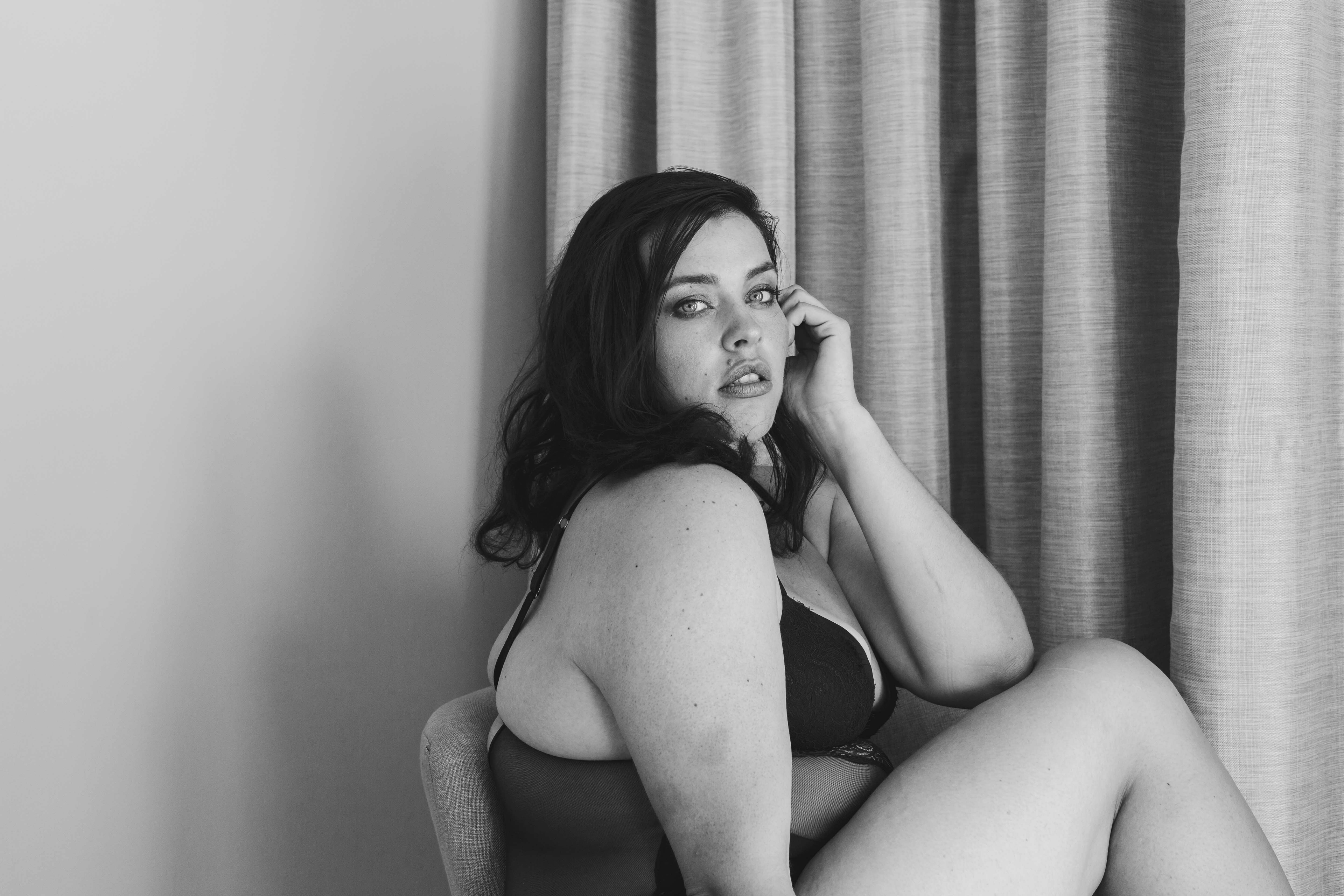
The reality is that boudoir photography celebrates every body type, regardless of size, shape, age, or physical characteristics. Professional boudoir photographers possess specialized skills in posing, lighting, and composition specifically designed to highlight each person’s unique features and natural beauty. These artists understand that beauty exists in infinite forms and that confidence—not conformity to unrealistic standards—creates the most stunning images.
As one photographer eloquently stated, “If you have a body, it’s perfect for a boudoir photo shoot”. This philosophy reflects the core principle that boudoir is about celebrating your one-of-a-kind self, whether you’re curvy, petite, athletic, postpartum, plus-size, or anywhere along the spectrum. Professional studios often provide lingerie in sizes ranging from extra small to 6XL, and their posing techniques are specifically adapted for different body types.
The belief that you need to lose weight before a boudoir session is particularly common but completely misguided. Boudoir isn’t about changing your body—it’s about celebrating the body you have right now. Women frequently tell themselves they’ll book a session “when” they reach a certain weight or fitness level, but this delay only postpones the empowering experience of seeing themselves through a lens of acceptance and beauty. Skilled photographers know that true sensuality and confidence come from self-acceptance, not from meeting arbitrary physical standards.
Myth 2: You Need to Be Young to Do Boudoir
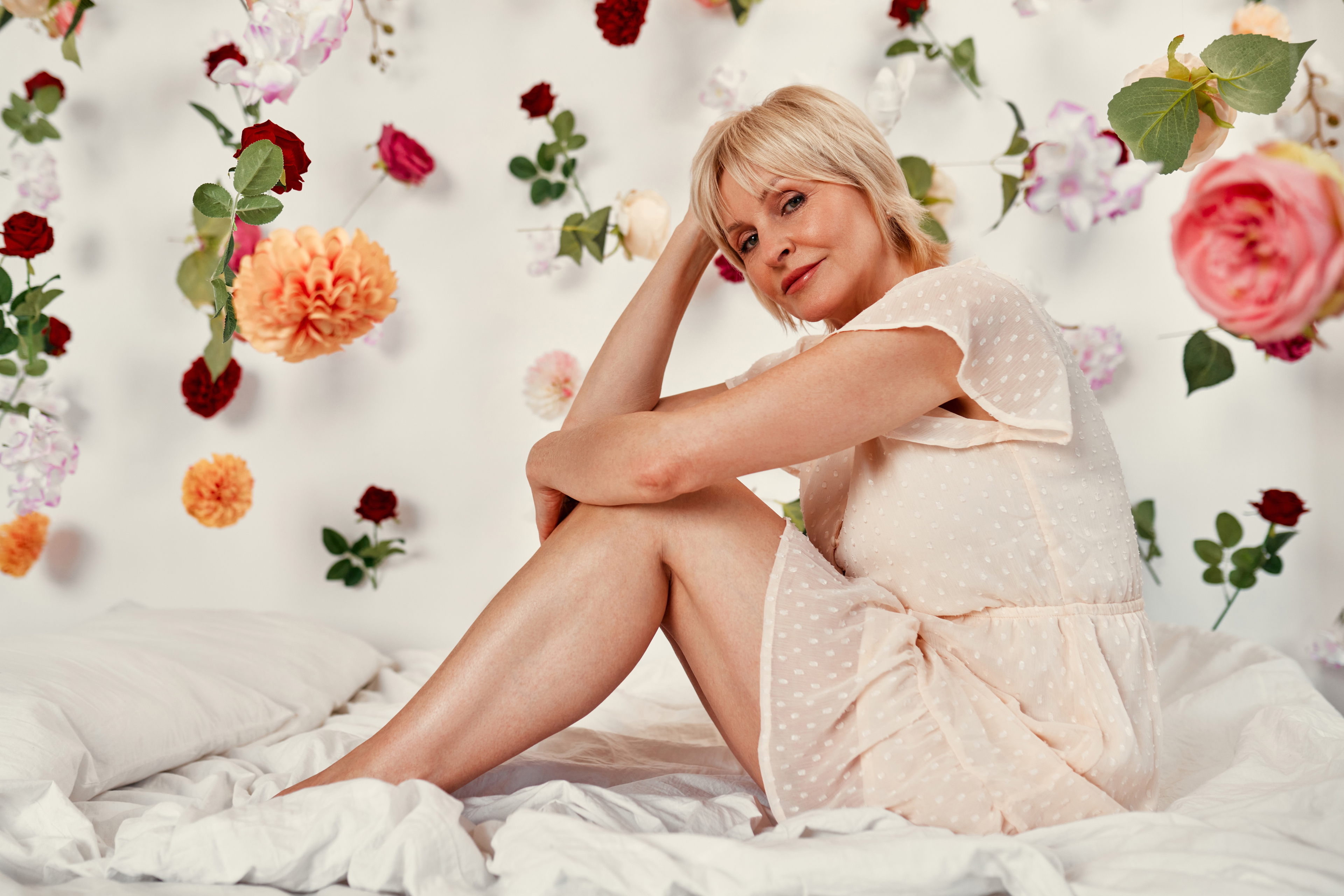
Age discrimination in boudoir photography represents another widespread myth that prevents people from embracing this empowering experience. Many individuals believe that boudoir is exclusively for young people in their twenties or thirties, but this assumption ignores the reality that beauty, sensuality, and confidence are ageless qualities.
Boudoir photography attracts people from all walks of life and all age ranges, from their twenties through their sixties and beyond. Each life stage brings its own unique story, experiences, and perspectives that translate into powerful and moving images. In fact, many photographers report that their older clients often display greater confidence and self-assurance during sessions, having accumulated years of life experience and self-knowledge.
The journey of self-acceptance and love doesn’t have an expiration date. Boudoir offers a unique opportunity to view yourself from a fresh, empowering perspective regardless of how many birthdays you’ve celebrated. Whether you’re marking a milestone birthday, celebrating recovery from illness, honoring a life transition, or simply choosing to embrace yourself at this moment, age should never be a barrier to experiencing boudoir photography.
Professional photographers emphasize that they’ve photographed “every age, size, shape, color” and the results are consistently gorgeous. The wrinkles, lines, and physical changes that come with age tell stories of laughter, resilience, and lived experience—elements that add depth and character to boudoir portraits rather than detracting from them.
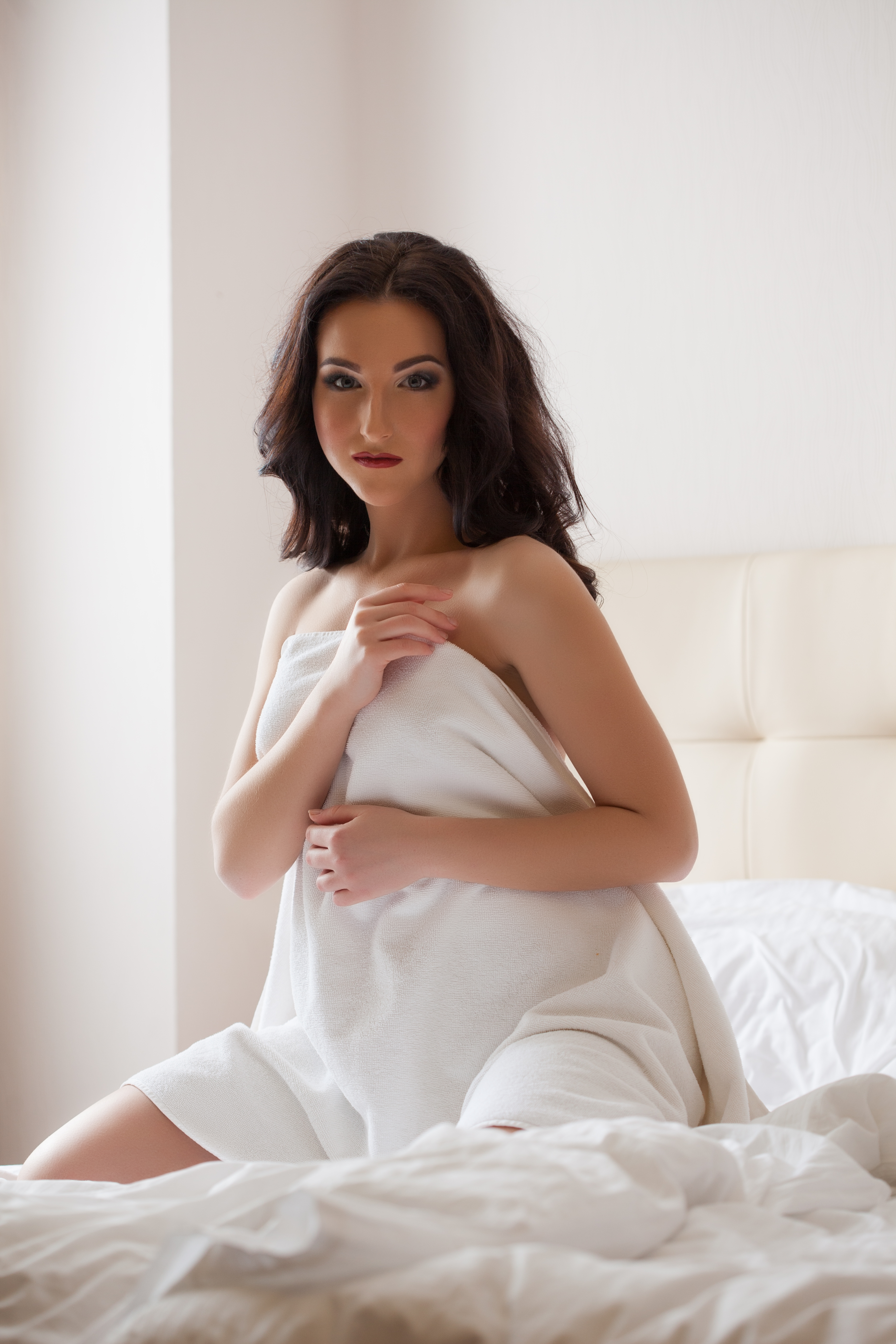
Myth 3: Boudoir Photography Is Inherently Sexual or Pornographic
Perhaps no myth causes more hesitation than the misconception that boudoir photography is synonymous with pornography or overtly sexual content. This fundamental misunderstanding of the genre’s purpose and artistic merit prevents many people from exploring an experience that is actually about empowerment, elegance, and intimate self-expression.
The distinction between boudoir and pornography lies in intent, execution, and artistic approach. While boudoir photography often features sensual elements, it focuses on capturing intimacy, confidence, and beauty in a tasteful and artistic manner. Professional boudoir photographers create images that evoke emotional responses through artistic portrayal rather than explicit content.
Classical art portraiture has long featured the human form without being considered pornographic, and boudoir photography operates within this same artistic tradition. The emphasis falls on suggestion and subtlety rather than overt sexuality. Images are crafted to showcase elegance, vulnerability, and the unique essence of each individual. A well-executed boudoir photograph captures mood, emotion, and personality in ways that feel authentic to the subject.
Furthermore, boudoir photography prioritizes the subject’s comfort, consent, and empowerment above all else. Professional photographers ensure that every aspect of the session reflects the client’s comfort level and personal style, resulting in artful and tasteful photographs. The level of sensuality portrayed is entirely determined through discussion between photographer and client, with boundaries always respected.
Myth 4: You Must Wear Lingerie or Be Naked
Many people avoid boudoir photography because they assume they’ll be required to wear revealing lingerie or pose nude, but wardrobe choices in boudoir sessions are entirely up to the individual. This flexibility allows people to express themselves in ways that feel authentic and comfortable while still creating beautiful, intimate images.
While lingerie remains a popular choice for boudoir sessions, it’s far from the only option. Clients successfully create stunning boudoir portfolios wearing favorite dresses, casual attire, oversized sweaters, button-down shirts, sports jerseys, or even sheets artfully draped. The key to successful boudoir photography lies in wearing something that makes you feel confident and sexy, not in showing a specific amount of skin.
Professional photographers emphasize that the dress code for your session remains entirely in your hands. There’s no pressure to pose in your “birthday suit” unless that’s your personal choice, and you won’t be judged regardless of your decision. Many studios maintain their own wardrobes with diverse options, allowing clients to explore different looks without personal investment in expensive lingerie.
The notion that you need to purchase expensive lingerie for your session represents yet another myth. Some of the most beautiful boudoir images are created with affordable lingerie from budget-friendly retailers. Moreover, some photographers report that their favorite images feature no traditional lingerie at all—just creative use of fabric, clothing, or implied coverage that creates elegance and mystery.
Regarding nudity, many clients do choose to incorporate nude or implied nude images into their sessions, but this remains entirely optional. Even when clients are interested in nude photography, sessions typically begin with more covered looks to build confidence before gradually moving to more revealing poses if desired.
Myth 5: Boudoir Is Only for People in Relationships
The assumption that boudoir photography exists primarily as a gift for romantic partners represents a limiting and outdated view of this empowering art form. While boudoir photos certainly make meaningful gifts for significant others, these sessions aren’t exclusively—or even primarily—for the benefit of anyone except yourself.
The “wedding gift for the groom” narrative dominated early boudoir marketing, creating an impression that women should do these shoots to please their partners. This approach positioned boudoir as something done for external validation rather than personal empowerment. However, as the industry evolved, photographers recognized that the most transformative boudoir experiences occur when the individual being photographed is the primary focus.
Modern boudoir philosophy centers on self-celebration and personal empowerment. The confidence you gain from seeing yourself through an empowering lens becomes the real gift—one you give to yourself first. Many people book boudoir sessions as acts of self-love, marking personal milestones, celebrating recovery or transformation, or simply honoring themselves at various life stages.
Single individuals increasingly recognize boudoir as a powerful tool for building self-confidence and self-acceptance. These images serve as reminders of your beauty and strength on days when self-doubt creeps in. Some clients create albums or wall art for themselves, using these images as daily affirmations of their worth and beauty. Others share their images with close friends or post selectively on social media as declarations of self-confidence.
The journey of being honest, intimate, and real with yourself—which boudoir facilitates—often proves more challenging than being vulnerable with others. When you prioritize yourself in this experience, beautiful personal transformation occurs. As photographers emphasize, you should “do it for you”—and if you choose to share the celebration of self with someone, that’s an added bonus rather than the primary purpose.
Myth 6: Everyone Will See Your Photos Online
Privacy concerns represent legitimate considerations for anyone contemplating boudoir photography, but the fear that your intimate images will automatically appear online without consent is unfounded when working with professional photographers.
Reputable boudoir photographers never share images without explicit, written permission from their clients. This standard is enshrined in contracts and model release forms that clearly outline how images may or may not be used. Professional photographers understand the sensitive nature of boudoir work and prioritize client confidentiality above all else.
Most boudoir studios offer multiple types of photo releases to accommodate different comfort levels. A full release grants permission for the photographer to use images for promotional purposes, while a specific-use release allows only selected photos for particular applications. Many clients choose to refuse release entirely, ensuring complete control over image distribution. Some agree to share only images that show less skin or don’t include identifying features.
When clients do consent to sharing images, professional photographers take additional steps to protect privacy. They ensure clients’ full names are never associated with their photos, preventing someone from searching your name and finding boudoir images. Photographers may use only an initial or, at client request, change even that identifying information. Social media tagging occurs only with explicit permission, allowing clients to remain anonymous if desired.
Behind the scenes, reputable photographers implement robust security measures to protect your images throughout the editing and storage process. Questions to ask your photographer include: How are images stored during editing (on encrypted hard drives versus cloud storage)? How will images be delivered (physical media versus online gallery)? What happens to files after delivery—are they deleted or archived? Will any AI programs access the images during editing?
Many photographers edit using local hard drives rather than cloud services, reducing hack risks. Password-protected online galleries should follow strong security protocols, including complex passwords, regular password updates, and two-factor authentication when available. Professional gallery systems employ 256-bit encryption to keep images secure.
For maximum security, clients should store their final images on encrypted hard drives or flash drives kept in safety boxes rather than on phones or computers vulnerable to hacking. When ordering prints, work with photo labs specializing in private or secure services for boudoir photography, ensuring sensitive images remain protected.
Myth 7: You Need Modeling Experience and Must Know How to Pose
The belief that you need modeling experience or innate posing ability to do boudoir photography represents one of the most common fears—and one of the most easily dispelled myths. Professional boudoir photographers expect that their clients are not professional models, and guiding you through poses is fundamentally part of their job.
Nearly every client warns their photographer during consultation that they’re “awkward,” “don’t know how to pose,” and are “not photogenic”. Photographers hear these concerns so frequently that one noted, “If I had a dollar for every time someone says ‘I look really awkward in photos’ before they book a boudoir photoshoot, I’d be rich”. The universality of this fear should itself be reassuring—you’re not alone, and photographers are prepared to work with these concerns.
The question to ask yourself is this: If you’re not a professional model, why would you be expected to be comfortable in front of the camera? Professional boudoir photographers have studied posing extensively and continue refining this skill throughout their careers. It’s their job to coach you through posing, not your job to arrive with these skills already developed.
Effective photographers use both verbal and visual guidance to help clients feel confident. Many get on the floor and demonstrate each pose themselves while describing it, allowing you to hear the instructions, see the demonstration, and mirror the photographer simultaneously. This multi-sensory approach accommodates different learning styles and eliminates the need to imagine what you’re being asked to do.
Throughout your session, photographers provide continuous direction on specifics: “Point your toes like a ballerina to elongate your legs. Drop your shoulders away from your ears to create graceful space in your neck. Pull your shoulders back and bring your shoulder blades together. Keep your head parallel with the floor”. These detailed instructions, constantly reinforced, ensure your poses photograph beautifully.
Moreover, professional photographers show you sneak peeks on the camera throughout the session, allowing you to see for yourself that the images look great. This real-time feedback builds confidence and transforms initial awkwardness into excitement. Photographers also emphasize that if you’re uncomfortable with any pose for any reason, you simply skip it—they have plenty of alternative ideas.
The initial awkwardness that many people fear is temporary and quickly dissolves once shooting begins. Clients consistently report that their sessions were “so much more fun and not scary than they had expected”. The nervous energy transforms into excitement as you settle into the flow of the session.
Myth 8: Boudoir Photography Is Too Expensive
Cost concerns frequently prevent people from booking boudoir sessions, with some perceiving this genre as prohibitively expensive compared to other portrait photography. Understanding what you’re actually paying for helps clarify whether boudoir represents genuine value or unnecessary luxury.
Boudoir photography pricing varies dramatically based on photographer experience, location, session length, and package inclusions. On average, sessions range from $300 to $12,000, with most falling somewhere in the middle of that spectrum. This wide range reflects differences in photographer skill, reputation, studio quality, and what’s included in the package.
The key question isn’t “Is boudoir expensive?” but rather “Do I understand and value what I’m receiving?”. When you book a boudoir session, you’re investing in far more than photographs. You’re paying for an experience—one that includes extensive consultation, professional guidance, emotional support, confidence coaching, and expert retouching.
Behind every boudoir session lies substantial overhead and expertise. Professional photographers invest thousands of dollars annually in education, learning not just technical skills but also communication techniques, body language interpretation, and how to create psychologically safe environments. High-end camera bodies cost thousands of dollars before adding premium lenses, lighting equipment, backup cameras, powerful computers for editing, secure storage systems, and ongoing maintenance.
Studio space, whether rented or owned, represents another significant cost. Many boudoir photographers also include professional hair and makeup services, wardrobe options, and assistants to ensure your comfort throughout the session. The time investment extends far beyond the shoot itself: pre-session consultations, wardrobe planning, shooting time, detailed retouching of each image (often multiple hours per image), design time for albums or wall art, and post-shoot consultations all contribute to the final price.
Professional boudoir photographers also carry liability insurance, pay business taxes (approximately 30% of revenue), maintain website and gallery systems with robust security features, and invest in marketing to reach clients. Small business owners typically keep only 25-35% of business revenue as their actual paycheck after covering these expenses.
Additionally, boudoir photography requires specialized skills that command higher rates. Photographers must be part therapist, life coach, and cheerleader, providing emotional support and encouragement that goes far beyond technical photography skills. The vulnerability inherent in boudoir sessions requires photographers to create extraordinary trust and comfort.
Some photographers charge higher rates for “closed shoots”—sessions where images cannot be used for promotional purposes. This restriction on portfolio building often doubles the session price, as the photographer loses the marketing value those images would provide. This practice explains why some boudoir sessions cost significantly more than others offering similar technical services.
Ultimately, perception of value varies by individual. One person might spend thousands on a luxury handbag while considering boudoir photography too expensive; another might skip designer items but eagerly invest in a boudoir experience. The question is whether you value the empowerment, confidence, and lasting images that boudoir provides. For many people, the investment in self-love and the confidence gained far outweighs the financial cost.
Conclusion
Dispelling these ten pervasive myths reveals boudoir photography’s true nature: an inclusive, empowering, and deeply personal art form accessible to anyone seeking to celebrate themselves. The genre welcomes all bodies, all ages, all genders, and all comfort levels, requiring neither modeling experience nor expensive wardrobe investments. Far from being pornographic or exclusively for romantic partners, boudoir represents a journey of self-acceptance, confidence building, and artistic expression.
The barriers preventing people from experiencing boudoir photography are largely imaginary—constructed from misconceptions rather than reality. Professional photographers provide the expertise, guidance, and emotional support necessary to transform initial nervousness into confidence and celebration. They protect your privacy with robust security measures and contracts, ensure you look your best through professional styling and technical skill, and create safe environments where vulnerability becomes empowerment.
Whether you’re considering boudoir as a gift for yourself, to mark a life transition, to challenge yourself to step outside your comfort zone, or simply to see yourself through a lens of beauty and acceptance, these myths should no longer hold you back. The investment in a boudoir experience—whether measured in money, time, or emotional vulnerability—consistently yields returns in confidence, self-love, and stunning images that serve as permanent reminders of your inherent worth and beauty.