The camera goes quiet, you change back into your everyday clothes, and the appointment is over. For many women, this is when a new set of questions begins. What happens to the photographs now? How will you choose among them? What will you actually hold in your hands? This guide walks through boudoir image selection and the products that often follow, so the second half of the experience feels as considered as the first.
Every photographer structures this stage a little differently, so treat what follows as a general map rather than a promise of any particular studio’s process. The best way to know exactly what you will receive is to ask before you book.
Still, understanding the common options helps you ask better questions and make choices you will be happy with for years.
The Pause Between the Shoot and the Reveal
After the shoot, there is usually a waiting period while your photographer reviews the full set, removes duplicates and frames where your eyes were closed mid-blink, and prepares a gallery for you to see. This pause can feel long when you are curious, but it serves a purpose. It allows the photographer to edit with care rather than in a rush.
It also gives you a little distance from the day itself. When you see your images after some time has passed, you tend to look at them with fresher, kinder eyes than you might have in the moments right after the shoot.
If you are unsure how long the wait will be, it is perfectly reasonable to ask. Knowing the timeline helps you relax rather than refresh your inbox every hour.
How a Viewing or Online Gallery Usually Works
Some photographers invite you back for an in-person viewing, where you sit together and look at the images on a large screen. Others share a private online gallery that you can browse at home. Some offer both. Each approach has advantages.
An in-person viewing means you have someone beside you who can explain why a particular frame works, answer questions about products, and help you narrow things down. It can also feel emotional, in a good way, to see yourself large and well lit for the first time.
An online gallery gives you time and privacy. You can look in the evening with a cup of tea, come back the next day, and take your time. If you go this route, try to view the images on a larger screen rather than only on your phone, because small screens can make it hard to appreciate detail and expression.
Either way, boudoir image selection tends to go more smoothly when you have set aside unhurried time for it rather than squeezing it between other errands.
Boudoir Image Selection Without Second-Guessing Yourself
Seeing many images of yourself at once can stir up mixed feelings. You may love some immediately and feel unsure about others. That is normal. Your eye may go straight to a part of your body you have long been critical of, even in a photograph that is genuinely beautiful.
One helpful approach is to make a first pass based only on instinct. Mark the images that make you feel something, whether that is a smile, a sense of calm, or a little surprise that this is you. Do not analyze yet. Just notice what draws you in.
On the second pass, look more closely. Consider expression, the shape of the pose, and whether the image tells you something about who you are. The goal of boudoir image selection is not to find flawless pictures. It is to find the ones that feel true.
If you are stuck between two nearly identical frames, look at the eyes and hands. Those small details often decide which one feels more alive.
Choosing Alone or With Someone You Trust
Some women prefer to make every choice privately. Others like to invite a close friend or partner into the process. Neither is better. It depends on whether another voice will steady you or distract you.
If you do involve someone else, be clear about what kind of input you want. You might ask them to point out images where you look happy or at ease, rather than asking them to critique. Remember that these images are about you, and your opinion is the one that matters most.
If you choose alone, consider writing down a few words about how you want to feel when you look at the final collection. Calm, bold, soft, playful, strong. Returning to those words during boudoir image selection can help you decide between images that are all technically lovely but carry different moods.
When Feelings Come Up During the Reveal
It is common to feel a rush of emotion when you first see your gallery. Some women laugh, some go quiet, and some feel a mix of delight and vulnerability at once. There is no right reaction, and none of them means the photographs failed.
If you notice old critical thoughts surfacing, try to look at each image the way you would look at a photograph of a friend. You would notice her expression, her warmth, the way the light falls across her shoulder. You would not zoom in on a single crease of skin. Offering yourself that same generosity can change the whole experience of boudoir image selection.
And if you need to close the gallery and come back later, do. Nothing about this stage needs to be rushed, and your feelings about the images will often soften and settle with a little time.
It can also help to remember that your photographer has already done a first round of curating. The images in front of you were chosen because they work, so you are choosing among good options rather than searching for a few acceptable ones. That shift in framing makes boudoir image selection feel more like a pleasure and less like a test.
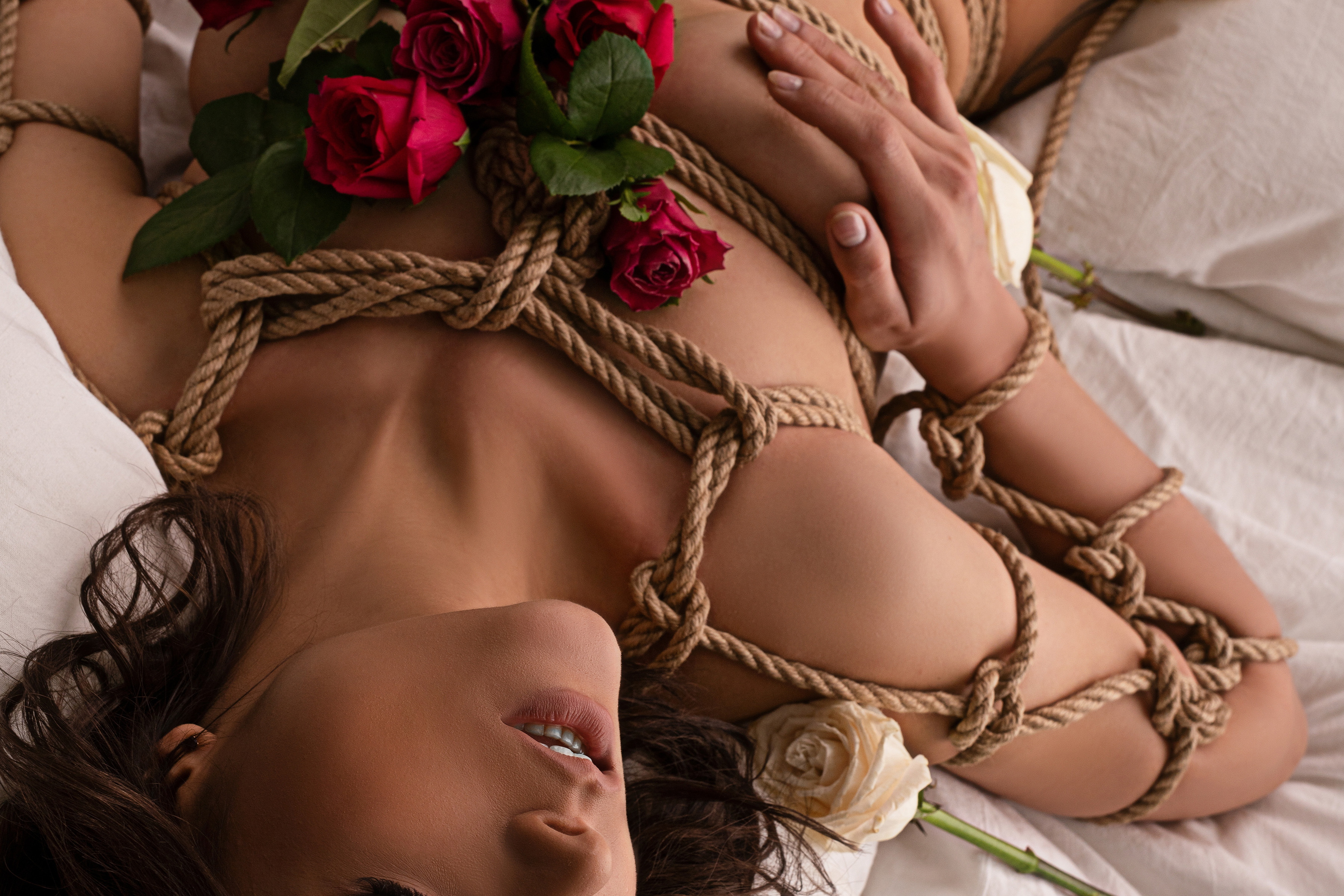
A Simple Way to Narrow Things Down
When the gallery is large, structure helps. Many women find a few gentle steps useful:
- Start with a quick instinct pass and favorite anything that stands out.
- Group similar images and keep the strongest one from each set.
- Look for variety across outfits, poses, light, and mood.
- Step away for a day, then review your shortlist with fresh eyes.
- Make final choices based on how you plan to display or keep the images.
That last step matters because your boudoir image selection may look different depending on whether you are building an album, choosing a single framed print, or simply keeping digital files.
Digital Files and What They Are Good For
Digital files are often part of what clients receive, though the number and resolution vary from one photographer to the next. Files are flexible. You can revisit them whenever you like and decide later whether to print anything.
That flexibility has a quiet downside. Images that live only on a device are easy to forget. They sit in a folder, and months go by without anyone looking at them. If you choose digital files, consider deciding on at least one way to enjoy them regularly.
Digital files also raise practical questions about storage and who can see them. For thoughtful guidance on that side of things, see this article on keeping your boudoir photos private and secure.
Albums: Telling a Story in Pages
An album is one of the most popular ways to keep boudoir images, and for good reason. It holds a curated sequence of photographs in a single, beautiful object that you can open privately whenever you like. Turning pages has a different feeling from scrolling.
When choosing images for an album, think in terms of flow. You might open with a quiet, close portrait, build through different outfits and moods, and end with a frame that feels like a deep breath. Your photographer can help with the design, but your boudoir image selection shapes the story the album tells.
Albums come in many styles, from fabric and leather covers to simpler folios. Ask to see and handle samples if possible, since paper weight, cover material, and size all affect how the finished piece feels in your hands.
Prints, Folios, and Pieces for the Wall
Loose prints and folios offer a different experience. A folio is often a keepsake box or presentation case holding a set of mounted prints. You can spread them out, rearrange them, or place one on a dresser for a while and then swap it for another.
Some women choose a single larger piece to hang in a private space, such as a bedroom or dressing area. For a wall piece, choose an image that holds up at a distance, with a strong shape and clear mood, rather than one whose charm lives in tiny details.
Whatever format you lean toward, it can help to picture where it will live. Thinking about the actual room, shelf, or drawer often makes boudoir image selection easier, because you are choosing for a real place rather than an abstract idea.
Questions to Ask Before You Book
Because this part of the process varies so much, it is worth clarifying a few things in advance. Ask how images are shared with you, whether there is an in-person viewing, how many images you can expect to choose from, and what products are available. Ask whether digital files are included or separate, and how long you have to make decisions.
These questions are not awkward or demanding. A good photographer will be glad you asked, because clear expectations make the experience better for everyone. Combined with understanding what the shoot day itself usually involves, they help you see the whole journey from start to finish.
Living With Your Images
The real value of these photographs often reveals itself over time. You may find that an image you hesitated over becomes a favorite a year later. You may open your album on an ordinary evening and feel quietly proud of the woman you see.
Thoughtful boudoir image selection is less about getting every decision exactly right and more about choosing images and formats you will genuinely return to. Choose with your heart first and your head second, give yourself time, and let the photographs become part of your life rather than files you never open.
However you choose to keep them, these images are yours. They record a moment when you decided to be seen, and that is worth honoring in whatever form feels right.