As we move into the holiday season—a time often painted as joyful and connected, it’s important to acknowledge a quieter truth: for many, this time of year can intensify feelings of loneliness, stress, and emotional heaviness. Mental health challenges frequently rise during the holidays, as social pressures, memories, expectations, and unresolved emotions surface more sharply. In moments like these, therapeutic experiences become not just helpful, but deeply needed. People search for ways to reconnect with themselves, to feel seen, to feel grounded, and to reclaim a sense of inner peace.
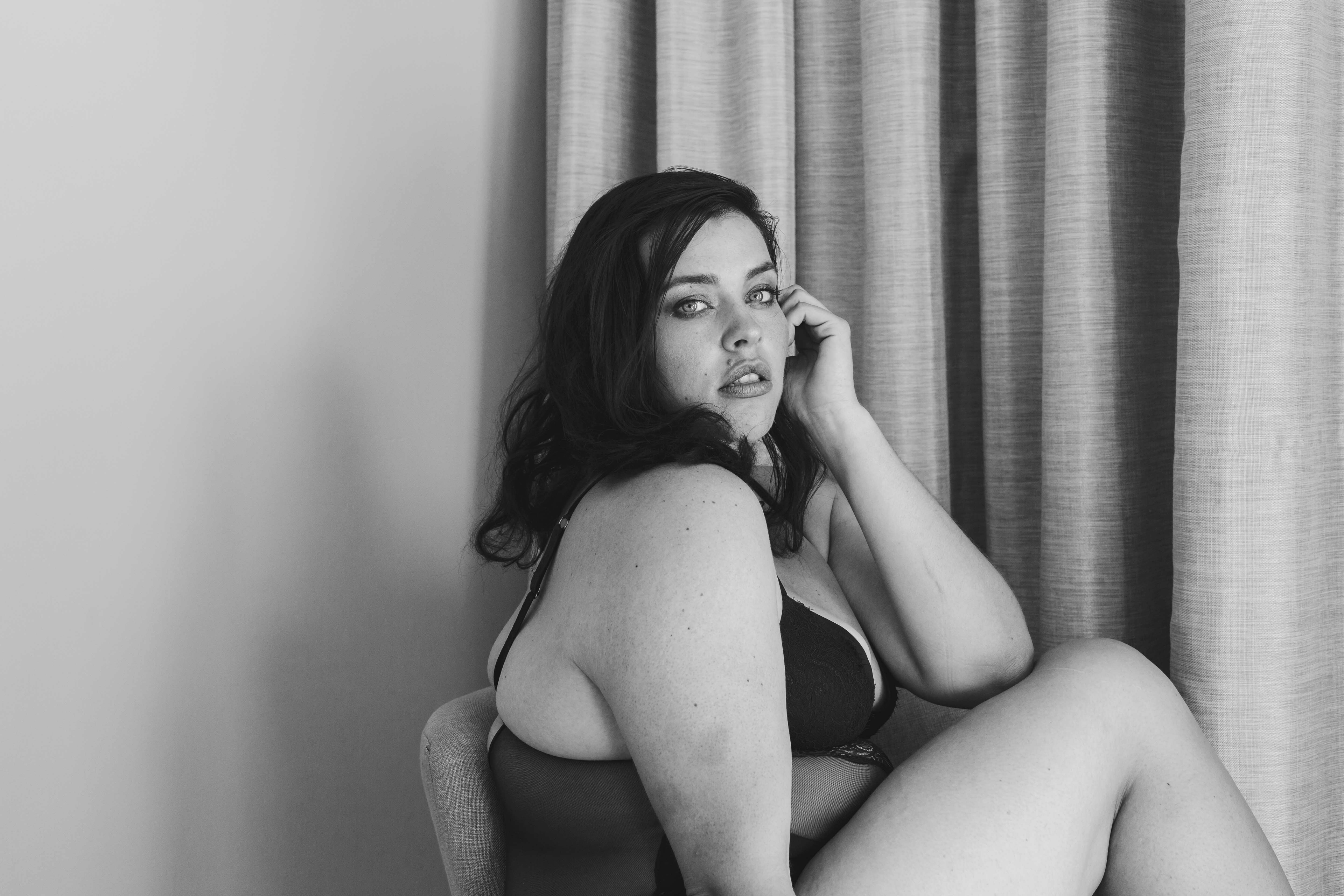
In a world where vulnerability is often perceived as weakness and self-acceptance feels like an unreachable goal, an unexpected form of healing has emerged from an unlikely source: boudoir photography. Far beyond its surface association with sensuality and intimate portraiture, boudoir photography has evolved into a powerful therapeutic modality that bridges art, psychology, and personal transformation. This deeply personal art form offers a unique pathway to healing—one that honors the body as both canvas and storyteller, while providing a safe container for profound emotional work.
Recent research has revealed what countless individuals have experienced firsthand: boudoir photography can be genuinely therapeutic. Studies indicate that 88% of clients report higher self-esteem and body image after their boudoir session, while 92% of participants experience significant improvements in body image and self-esteem through this photographic experience. These statistics reflect more than fleeting confidence boosts—they represent fundamental shifts in how people perceive themselves and relate to their bodies. The transformative power of boudoir lies not in achieving perfection, but in the radical act of seeing oneself through a lens of compassion, artistry, and acceptance.
The Intersection of Photography and Healing
Photography as Therapeutic Intervention
The use of photography in therapeutic contexts has a well-established foundation in mental health treatment. PhotoTherapy techniques, which have been refined since the 1970s, demonstrate that photographs serve as “tangible symbolic self-constructs and metaphoric transitional objects” that offer inner insight in ways words alone cannot fully represent. When clients engage with their own images under the guidance of trained practitioners, they access deeply embedded feelings and memories that were unconsciously embedded at the moment the photograph was taken.
Photography has been found to be an emotionally powerful means of expressing human experiences and can be especially effective for working through trauma. The methodological nature of taking a photo provides a powerful form of emotional containment, allowing individuals to experience emotions in a measured fashion without being consumed or re-traumatized. This containment function makes photography uniquely suited for therapeutic work, as it creates a boundary between the person and their experience while simultaneously making that experience visible and tangible.
Visual art therapy more broadly has demonstrated measurable benefits across patient populations. A comprehensive meta-analysis including 50 studies with 2,766 individuals found that active visual art therapy was associated with improvement in 18% of patient outcomes across diverse health conditions. The therapeutic applications of visual arts extend to mental health, rehabilitation, pain management, holistic cancer treatment, and care for older individuals.
The Neuroscience of Visual Self-Processing
Understanding how boudoir photography facilitates healing requires examining what happens in the brain when we view ourselves through a camera lens. Neuroscience research reveals that self-perception is mediated by a network of brain regions responsible for processing sensory information, emotional responses, and self-referential processing—including the visual cortex, somatosensory cortex, insula, and prefrontal cortex. When we engage with our own image, particularly in contexts that challenge our existing self-narratives, we activate neural pathways associated with identity formation and emotional regulation.
The brain’s mirror neuron system plays a fascinating role in body image perception. Mirror neurons fire both when we perform an action and when we observe the same action performed by another—including when we observe ourselves in photographs. This mirroring mechanism means that when we see images of ourselves that convey confidence, strength, or beauty, our brain activates the same neural circuits it would if we were actively embodying those qualities in real-time. When individuals with negative body image surround themselves with positive visual representations, their mirror neurons help them begin feeling the same way about themselves, essentially rewiring neural pathways through repeated positive exposure.
Neurofeedback studies demonstrate that visual self-processing training can elicit beneficial neuroplasticity in networks that enable self-processing and emotion regulation. Research involving self-face recognition tasks shows that after training, participants demonstrate changes in brain activity patterns in regions associated with the saliency network, including decreased activation in the anterior cingulate cortex and insula during self-face recognition. These neurological changes suggest that self-recognition becomes facilitated, requiring less cognitive-affective coordination over time—in essence, accepting one’s own image becomes easier with practice.
Boudoir Photography as Embodied Healing

Reclaiming the Body After Trauma
For trauma survivors, the relationship with one’s body can become profoundly disrupted. Trauma often forces individuals to escape their bodies as a protective mechanism, creating a sense of disconnection and estrangement from the physical self. Past trauma can manifest in multiple ways—anxiety, depression, PTSD, and a pervasive feeling of being out of control or disconnected from one’s body. This disconnection affects self-esteem, leaving individuals feeling less attractive, less deserving of love, and fundamentally unsafe in their own skin.
Boudoir photography offers a pathway to reconnect with the body and reclaim ownership over one’s physical form. As one source eloquently states, “Your body is your home. You deserve to feel comfortable in it”. The body carries us through everything—the good, the bad, and the traumatic—and boudoir can help ground us in these bodies, enabling us to embrace the stories they tell. Trauma leaves bodies with stories of survival and resilience, and boudoir photography provides a medium for making those stories visible in ways that honor strength rather than shame.
For survivors of sexual trauma in particular, boudoir photography can be profoundly healing when approached with appropriate trauma-informed practices. Trauma-informed boudoir photography prioritizes emotional and psychological well-being throughout the entire experience. This approach recognizes that boudoir can be the most vulnerable form of portraiture and creates safe spaces where clients are truly seen, remain in control, and are empowered to express both consent and boundaries. Posing cues are presented as invitations rather than commands, and hands-on posing requires explicit consent—ensuring that the client’s agency remains central throughout the session.
The healing process through boudoir involves giving survivors a way to express and process difficult emotions non-verbally. Trauma generates intense, often conflicting feelings—anger, shame, grief, guilt—and boudoir photography allows survivors to explore these emotions creatively through their bodies and poses, externalizing their inner experiences. By making emotions visible in this way, survivors often find it easier to acknowledge, process, and eventually move beyond them.
The Science of Self-Worth and Body Image
Body image distress is far more than vanity—it is a complex phenomenon rooted in deeply ingrained neural pathways and psychological processes. Neuroscientific research shows that perception of body image is mediated by brain regions processing sensory information, emotional responses, and self-referential processing. At the heart of negative body image lies “social comparison,” wherein individuals assess their bodies in relation to perceived societal ideals and cultural norms, mediated by the brain’s mirror neuron system.
Neuroimaging studies have identified structural and functional differences in the brains of individuals with poor body image, including alterations in gray matter volume, neural connectivity, and activation patterns in response to body-related stimuli. These neurobiological differences underscore the profound impact of negative body image on brain function and mental well-being. The neurotransmitter serotonin, which regulates mood, self-esteem, and body image perception, becomes dysregulated in individuals with distorted body image and obsessive thoughts about weight and appearance.
However, neuroplasticity—the brain’s ability to reorganize itself by forming new neural connections—offers hope. Self-directed neuroplasticity refers to intentional modulation of the brain’s neural structure and function through various activities and mental practices. Boudoir photography serves as a catalyst for this neuroplastic change by repeatedly exposing the brain to positive images of oneself, normalizing and eventually reshaping the mental image individuals hold of their bodies.
Research demonstrates that body appreciation—a key component of positive body image—predicts better mental health outcomes over time. A longitudinal study found that body appreciation was associated with reduced depressive symptoms (though not anxiety symptoms) and increased self-esteem, flourishing, and wellbeing after three months, even after controlling for negative body image factors. These findings suggest that cultivating body appreciation through experiences like boudoir photography may serve as a protective factor and a valuable target for mental health prevention and early intervention initiatives.
The Emotional Journey
The transformative power of a boudoir session extends far beyond the final images. Many clients describe the experience as an emotional journey that helps them discover inner strength and express themselves boldly while confronting and accepting parts of themselves previously hidden due to past trauma or shame. When someone sees you—truly sees you—without judgment, it sparks a surge of confidence that transcends the studio walls. This validation isn’t solely about physical appearance; it’s about reclaiming control over one’s body and personal narrative.
Clients consistently report feeling incredibly liberated during their sessions. The shift isn’t merely visual—it’s experiential. Many people describe a deeper sense of self-love emerging after experiencing this form of artistic intimacy. Boudoir sessions promote acceptance by replacing shame with appreciation for distinct beauty and resilience. The camera captures more than skin—it captures a renewed sense of identity and healing.
The psychological benefits of boudoir photography include significant stress reduction through self-expression. The process of selecting outfits, striking poses, and embracing sensuality serves as a form of creative release, with many participants describing a sense of liberation and decreased anxiety following their sessions. Research confirms that a boudoir session is therapeutic and can improve self-confidence and body image, with lasting effects that extend far beyond the photoshoot itself.
Neurochemical Rewards and Emotional Regulation
Understanding the biological mechanisms underlying boudoir’s transformative effects illuminates why the experience feels so profound. When individuals engage in self-affirming behaviors or receive positive reinforcement during a boudoir session, dopamine floods the brain, reinforcing confidence and motivation. Dopamine, known as the “feel-good” neurotransmitter, is released when we engage in activities that make us feel good, creating a sense of temporary pleasure that can be deeply rewarding.
Serotonin, while similar to dopamine, creates a longer-lasting feeling of happiness and well-being. When serotonin levels are balanced, individuals feel focused, happy, and calm. Positive experiences that reinforce self-esteem—like seeing oneself look incredible in boudoir photos—activate the brain’s reward system, flooding it with dopamine. The serotonin boost that comes from being pampered and celebrated creates what neuroscientists describe as a “confidence high”.
These neurochemical changes are not merely ephemeral mood elevators—they facilitate lasting neuroplastic changes. Research shows that engaging medial prefrontal cortex-limbic circuits during positive self-focused experiences can create persistent changes in brain structure and function for at least two months. This suggests that the confidence and self-acceptance cultivated during a boudoir session become encoded in neural pathways, making these positive self-perceptions more accessible and stable over time.
Overcoming Self-Doubt and Embracing Vulnerability
One of the most powerful aspects of a boudoir session is the opportunity to embrace vulnerability in a safe, supported environment. This openness leads to increased self-awareness and acceptance. The act of stepping in front of the camera for a boudoir shoot can intimidate even confident individuals, yet this challenge presents an excellent opportunity to confront self-doubt directly. Clients often report initial nervousness, but as sessions progress, they find themselves relaxing and embracing confidence—a process of overcoming fears that becomes empowering and often translates to other life areas.
Boudoir challenges participants to step outside comfort zones, leading to personal growth and emotional wellness. As one photographer notes, clients enter sessions feeling nervous but leave feeling more self-assured because they finally see what others see—a confident, beautiful person. This external validation, when internalized through the photographic evidence, can shift long-held negative self-perceptions.
The vulnerability inherent in boudoir photography creates opportunities for what researchers describe as “empowerment through vulnerability”. By accepting and exposing themselves to intimate situations that might typically generate insecurity, individuals transform physical and emotional exposure into acts of courage and self-affirmation, promoting personal narratives of confidence, acceptance, and power.
Boudoir as Part of a Holistic Healing Journey

Integration with Traditional Therapy
While boudoir photography can be profoundly therapeutic, it functions most effectively as part of a comprehensive healing approach rather than a standalone intervention. Boudoir photography serves as a powerful tool that can enhance holistic healing when combined with traditional therapy methods, working in conjunction with counseling, support groups, and medical care. It offers empowerment tools for survivors on journeys to reclaim their sense of self.
Several key mechanisms explain how boudoir supports healing within a broader therapeutic context. First, it facilitates empowerment through embodiment: boudoir sessions provide opportunities to consciously reconnect with the body in affirming ways, allowing individuals to reclaim ownership and agency over their physical selves. Second, it enables rewriting personal narratives: by viewing oneself through the lens of sensuality and strength during boudoir shoots, individuals challenge stories of shame or victimhood that trauma may have imposed. Third, it cultivates renewed resilience: participating in boudoir sessions fosters courage to face vulnerability and nurtures self-love, leading to greater resilience.
A boudoir session may not constitute formal therapy, but it is absolutely therapeutic. It can facilitate liberation and freedom within one’s own skin where self-consciousness previously existed. As layers of clothing are peeled back, worries and insecurities can also be shed, beginning a journey toward newfound appreciation for the body. Boudoir photography represents a piece on the path to loving oneself and taking power back after trauma.
Trauma-Informed Approaches
The emergence of trauma-informed boudoir photography represents a critical evolution in this healing modality. Trauma-informed practices prioritize client well-being—both physically and emotionally—throughout the entire experience. Creating genuinely safe spaces where clients are seen, remain in control, and are empowered to express consent becomes paramount.
Trauma-informed photographers possess specialized training in working with survivor populations and remain mindful of how studio environments and their actions—including tone, word choice, and body awareness—can be supportive and empowering. Communication becomes critical to successful sessions, with trauma-informed studios discussing clients’ expectations and boundaries before sessions begin and checking in throughout to ensure needs are met. Clients’ agency to say no to any pose or wardrobe suggestion, to stop, or to take breaks is respected unconditionally.
Because boudoir photographers are exceptionally clear and direct about boundaries and consent, sessions can provide safe environments for exercising these skills, particularly valuable for individuals whose boundaries have been violated. Boudoir offers settings where survivors can explore their sexuality and reclaim power if someone tried to take that from them. While a boudoir session isn’t a magical fix that will heal years of trauma in a few studio hours, it can be an integral part of the journey back to connecting with one’s whole, true self and rediscovering identity outside of trauma.
Long-Term Effects on Mental Health and Wellbeing
The therapeutic benefits of boudoir photography extend well beyond the immediate session, creating ripple effects throughout participants’ lives. Many clients report lasting boosts in confidence and self-acceptance, with effects permeating various life aspects including relationships, career advancement, and personal goal achievement. This enduring impact suggests that boudoir photography catalyzes deeper psychological shifts rather than providing temporary mood elevation.
Research supports these anecdotal reports. A study examining couples found that 68% reported improved intimacy and communication after one partner participated in a boudoir session. This statistic underscores how personal transformation through boudoir extends into relational dynamics, enhancing connection and vulnerability between partners. The confidence gained from the experience positively impacts future relationships by fostering healthy self-worth and openness.
The photographs themselves serve as ongoing therapeutic tools. Boudoir photos function as tangible reminders of personal journeys toward self-love. Many clients turn to their images when needing confidence boosts or reminders of inner strength. Creating custom albums or wall art from favorite shots allows individuals to revisit the empowering experience whenever they need affirmation of their beauty and worth. These visual anchors help maintain the positive self-perception cultivated during the session, reinforcing new neural pathways through repeated exposure.
Identity Reclamation and Personal Narrative
Boudoir photography facilitates what narrative therapists describe as “externalizing” and “re-authoring” personal stories. By creating visual representations of oneself that embody strength, beauty, and confidence, individuals generate new narratives that can supplant older, more limiting stories about who they are and what they’re worth. This narrative reconstruction proves particularly powerful for those whose identities have been shaped by trauma, illness, or oppressive societal messages.
For many participants, boudoir represents a declaration of self-worth and self-love—a reminder that they are deserving of time, attention, and celebration. It becomes an act of defiance against societal pressures that dictate how people should look, act, and exist in the world. This reclamation of agency over one’s body and image constitutes a fundamental aspect of healing from experiences that diminished autonomy or worth.
The process of being photographed allows individuals to step into the spotlight and embrace their bodies, stories, and identities without inhibition or apology. It provides opportunities to rewrite narratives, define beauty on personal terms, and celebrate the unique essence of who they are. This self-authorship—the ability to control how one wants to be seen and remembered—represents a powerful form of healing and empowerment.
Practical Considerations: Making Boudoir Therapeutic

Choosing the Right Photographer
The therapeutic potential of boudoir photography depends significantly on selecting a photographer who understands and prioritizes the healing dimensions of boudoir. An experienced, trauma-informed photographer creates environments where clients feel safe, respected, and empowered throughout the entire process. Key qualities to seek include:
- Trauma-informed training: Photographers should have specialized knowledge about working with trauma survivors and understand how to create psychologically safe spaces
- Clear communication about boundaries: The photographer should establish explicit consent protocols and honor clients’ right to say no to any suggestion
- Non-directive approach: Rather than dictating poses or expressions, skilled photographers collaborate with clients, allowing them to take the lead in their creative process
- Emotional attunement: The photographer should be sensitive to emotional shifts during the session and capable of providing appropriate support
Consultation conversations before sessions prove essential, allowing clients to articulate their goals, concerns, and boundaries while enabling photographers to understand how to approach the shoot in ways that serve clients’ healing journeys
Preparation as Self-Care
The preparation process for a boudoir session constitutes its own form of therapeutic self-care. Engaging in practices like grooming, selecting meaningful outfits, and even fitness routines can boost self-esteem by encouraging individuals to take pride in their appearance. This intentional self-focus—dedicating time and attention to oneself—challenges internalized messages that one’s needs should come last or that self-investment is selfish.
Clients benefit from approaching preparation mindfully, viewing it as an opportunity to practice self-compassion rather than pursuing perfection. Choosing outfits that feel comfortable and confidence-inducing, communicating openly with photographers about goals and concerns, practicing self-care leading up to sessions (adequate rest, hydration), and allowing oneself to embrace the experience all enhance therapeutic outcomes.
Creating Personal Intentions
Setting clear personal intentions before a boudoir session maximizes its therapeutic benefits. Clients might consider questions like: What do I hope to gain from this experience? What aspects of myself do I want to celebrate or reclaim? What stories about my body or worth am I ready to release? What new narratives do I want to embody?
These intentions function as touchstones throughout the experience, helping clients remain connected to their deeper motivations beyond the immediate nervousness or vulnerability. The intentionality transforms the session from merely taking photographs into a conscious act of healing and self-reclamation.
Conclusion: The Art of Healing
Boudoir photography represents a unique convergence of art, psychology, and embodied healing. Its power lies not in creating flawless images, but in providing a container for profound personal transformation—a space where vulnerability becomes strength, where bodies tell stories of resilience, and where seeing oneself through compassionate eyes catalyzes lasting change.
The evidence is clear: boudoir photography can genuinely improve mental health outcomes when approached therapeutically. It activates neuroplastic changes that reshape how individuals perceive themselves, releases neurochemicals that reinforce positive self-regard, and creates visual anchors that sustain new self-narratives over time. For trauma survivors, it offers pathways to body reclamation and agency restoration. For those struggling with body image, it provides corrective experiences that challenge distorted perceptions.
Yet perhaps the most profound gift of boudoir photography lies in its reminder that healing happens not despite our bodies, but through them. In a culture that encourages us to transcend, ignore, or perfect our physical forms, boudoir invites us back home—to recognize our bodies as worthy subjects of art, deserving of celebration, and capable of carrying us toward wholeness. This homecoming, captured through the lens and witnessed without judgment, becomes its own form of medicine.
As one survivor poignantly expressed: “Your body may have been a source of shame or discomfort. Boudoir can offer a way to rewrite that narrative and see yourself in a more positive light. You are giving yourself a positive experience in your body”. In this radical act of seeing and being seen, healing emerges—not as a destination, but as an ongoing practice of choosing, again and again, to behold ourselves with kindness, to honor our stories, and to recognize that we have always been, and will always be, inherently worthy of love.