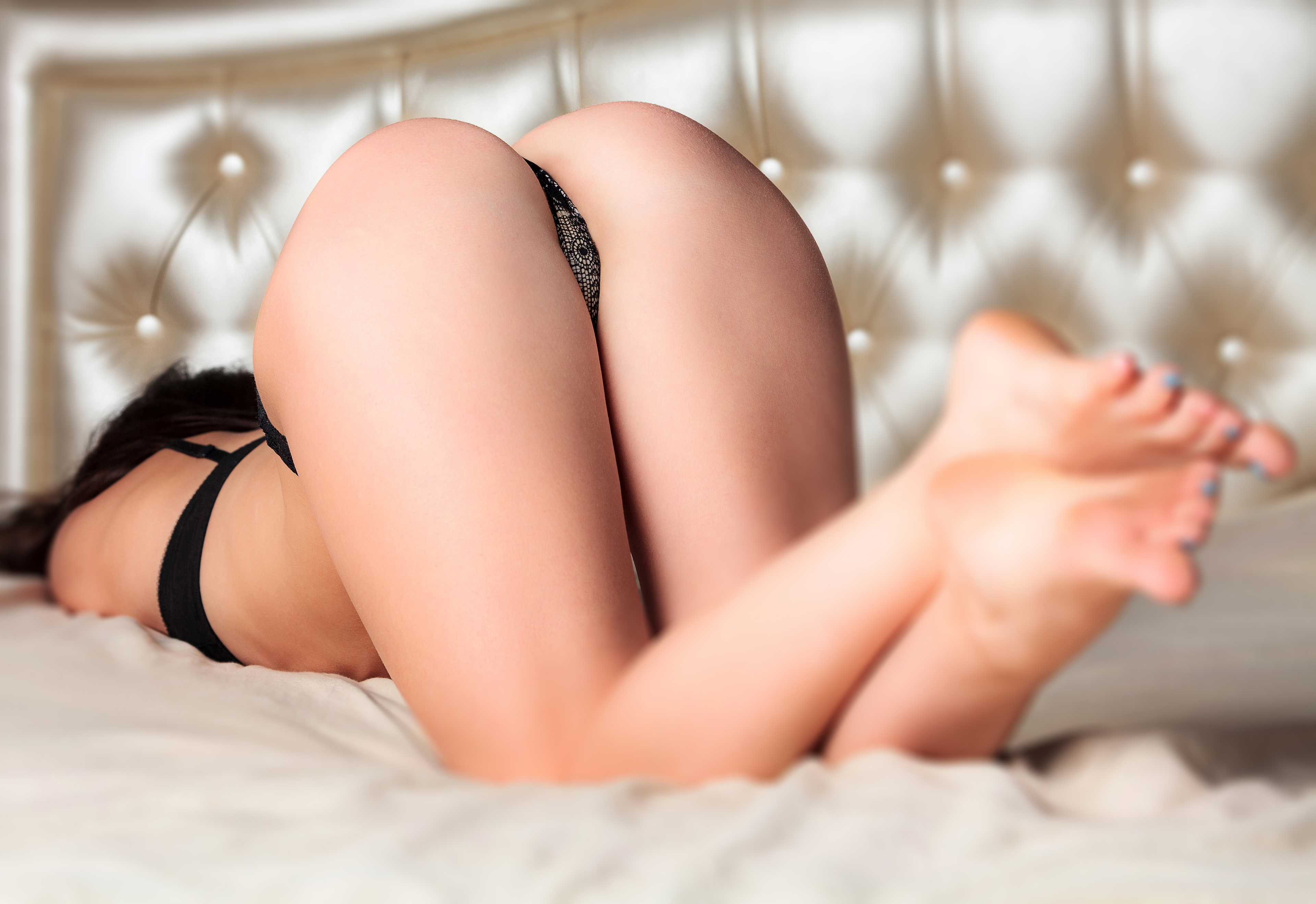
From the private chambers of 18th-century French aristocrats to the empowering photography studios of today, the concept of boudoir has undergone a remarkable transformation. What began as a woman’s intimate retreat has evolved into a powerful movement celebrating self-expression, body positivity, and confidence across all genders and identities. This journey from “sulking room” to sanctuary of empowerment tells a fascinating story about changing attitudes toward privacy, femininity, and personal agency.
The Etymology: From Sulking to Sanctuary
The word “boudoir” entered the English language in 1777, borrowed directly from French, where it literally meant “pouting room”. Derived from the French verb bouder, meaning “to sulk” or “to pout,” the term carried a somewhat dismissive connotation in its earliest usage. The original sense was almost tongue-in-cheek, coined by men who were amused—or perhaps annoyed—at the idea of women needing a special room to retreat and sulk. This etymology reflected the gender dynamics of the time, when husbands would characterize their wives’ desire for solitude as mere petulance, particularly when devout wives denied them conjugal rights by retreating to pray in their private oratories.
Despite its patronizing origins, the word took on new and more significant meaning as women began to reclaim these spaces for their own purposes. What men dismissed as a “sulking place” became something far more profound: a room where women could exercise autonomy, engage in intellectual pursuits, and exist beyond the constraints of social expectations. The boudoir evolved from a space of supposed feminine weakness into one of strength and self-determination, embodying what Virginia Woolf would later describe in her famous 1929 essay A Room of One’s Own—the necessity of physical and emotional privacy for creative and intellectual freedom.
The Architectural History: A Woman's Private Domain
To understand the boudoir, one must journey back to 16th- and 17th-century Europe, when residential architecture underwent a fundamental transformation. European homes evolved from single large communal spaces into separate, specialized rooms designed for specific purposes—studies, libraries, salons, and eventually, private chambers. This architectural shift reshaped how people thought about privacy and personal space, creating new possibilities for individual retreat and solitude.
The French philosopher Michel de Montaigne wrote in the late 1500s that “a man should reserve a room all his own, entirely free, in which to establish his real liberty and his principal retreat and solitude”. This privilege of private space was initially reserved exclusively for men of status, who often had their own studies, libraries, or cabinets where they could think, write, or simply be left alone. It would take two centuries before women of similar social standing began to claim a comparable private space of their own: the boudoir.
By the 18th century, during the Age of Enlightenment, boudoirs had become a staple of aristocratic and upper-class homes across France and Europe. Typically located adjacent to the bedchamber, the boudoir served as a woman’s private sitting room or dressing room—distinct from her bedroom and separate from the formal public spaces of the house. It was here, in this intimate sanctuary, that women could dress, write letters, read, embroider, daydream, and host small gatherings with close friends. The boudoir represented the one place in the household not governed by strict etiquette or male presence, where a woman could truly let her guard down and be herself.
Marie Antoinette’s boudoirs at the Palace of Versailles and the Château de Fontainebleau exemplify the luxury and significance of these spaces. Her boudoir at Fontainebleau was lavishly decorated with pale silks, ornate mirrors, and gilded details—an embodiment of privacy, comfort, and personal expression. At Versailles, Marie Antoinette created an extensive suite of private chambers spanning two floors, where she retreated from the formality and rigid etiquette of the main palace to spend time with women friends, including the Princesse de Lamballe and portrait painter Elisabeth Vigée-Lebrun. In these intimate spaces, women could wear loose, comfortable muslin dresses rather than the restrictive formal court attire, and engage in political discussions, artistic pursuits, and genuine conversation.
The boudoir thus served a dual purpose. On one level, it was a functional dressing room where women attended to their appearance with the help of mirrors, vanity tables, and personal items. On a deeper level, it represented the first step toward women’s emancipation—a space where they could assert their identity, educate themselves through reading, discuss politics and art, and exercise a measure of autonomy in a society where they remained subordinate to fathers and husbands.
The Birth of Boudoir Photography: Scandalous Beginnings
While the boudoir as an architectural space had existed for over a century, boudoir photography emerged much later, with roots stretching back to the late 19th century when photography itself was still in its nascent stages. The genre originated in France around 1890, initially considered highly taboo and even illegal in some contexts. Early boudoir-style photographs grew out of artistic traditions celebrating the human form—painters had long depicted intimate and sensual images of women, and with the invention of the camera, capturing the boudoir’s intimacy became more accessible.
The late 19th and early 20th centuries saw the popularity of French postcards featuring risqué and semi-nude images of actresses and models, which were considered quite daring for their time. These postcards, though explicitly illegal in some places, represented the early commercialization of boudoir-style imagery and were often sold discreetly under the counter, catering to a curious but cautious clientele. The first boudoir photography album was published in France during this period, featuring erotic images of women that pushed the boundaries of social acceptability. These early images typically depicted a series of photographs showing a woman going from complete dress to a state of undress in settings like her private dressing room or in naturalistic outdoor settings, echoing the imagery and emotion of classical paintings of the female nude.
The 1920s marked a pivotal moment in the evolution of boudoir photography. As photographic technology improved and became more accessible, photographers began to explore more personal and intimate portraiture styles. Albert Arthur Allen emerged as a pioneering figure during this era, daring to photograph scandalously curvy women posing in front of ornate backdrops despite the illegality of such work. His intrepid artistry helped lay the groundwork for what would become a 21st-century photography phenomenon, challenging societal norms about women’s bodies and sexuality. Boudoir photography during this period was influenced by Art Nouveau and Art Deco movements, which emphasized glamour, natural form, and sensual depictions of women in both public and private spaces.
The 1920s marked a pivotal moment in the evolution of boudoir photography. As photographic technology improved and became more accessible, photographers began to explore more personal and intimate portraiture styles. Albert Arthur Allen emerged as a pioneering figure during this era, daring to photograph scandalously curvy women posing in front of ornate backdrops despite the illegality of such work. His intrepid artistry helped lay the groundwork for what would become a 21st-century photography phenomenon, challenging societal norms about women’s bodies and sexuality. Boudoir photography during this period was influenced by Art Nouveau and Art Deco movements, which emphasized glamour, natural form, and sensual depictions of women in both public and private spaces.
The Evolution Through the Decades: From Pin-Ups to Empowerment
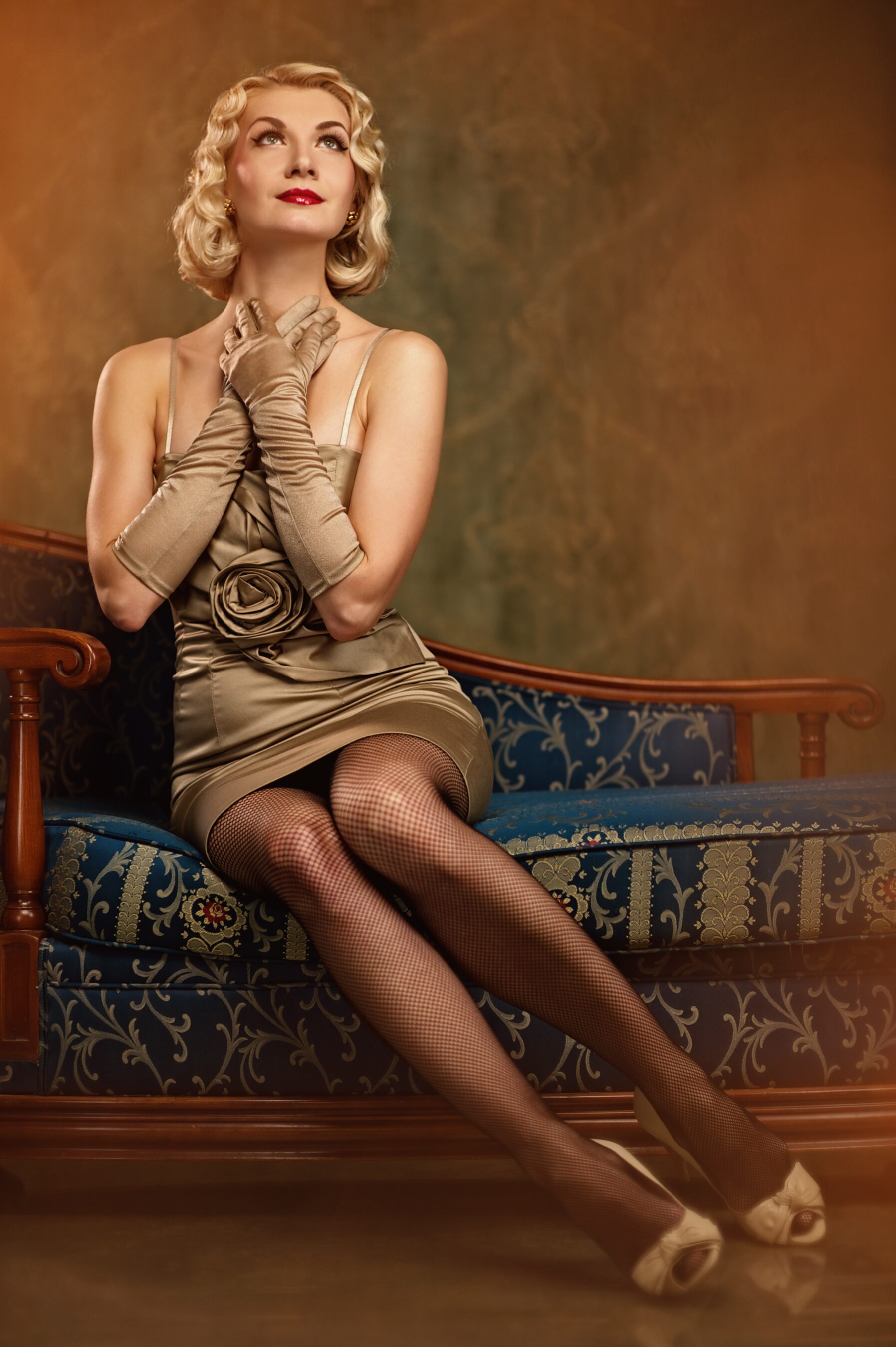
The 1940s and 1950s witnessed the golden age of Hollywood glamour and pin-up culture, which profoundly influenced boudoir photography by bringing the style into the mainstream and making it more acceptable to celebrate the female form. Pin-up girls such as Bettie Page and Marilyn Monroe captivated audiences with their glamorous yet approachable personas, posing in playful and flirtatious ways often in lingerie or swimsuits. Photographers like Bunny Yeager and Irving Klaw specialized in capturing these iconic images, blending elements of fantasy, allure, and sensuality to create timeless works of art. These photographs were widely circulated and became iconic in popular culture, often used as morale boosters for soldiers during World War II.
The pin-up era represented a significant shift in boudoir photography—while the images were still objectifying in many ways, they also gave women a new level of agency and allowed them to express their sexuality in a more public way. Hollywood starlets and celebrities were photographed in luxurious and intimate settings that exuded elegance and sex appeal, influencing the aesthetic standards of boudoir photography and normalizing sensual imagery within mainstream culture.
The 1960s and 1970s brought another transformational moment as the feminist movement began to reshape societal attitudes toward women’s bodies and sexuality. Boudoir photography took on new meaning as part of this cultural revolution, with women beginning to reclaim their bodies and sexuality for themselves rather than for male consumption. The photographs became less about pleasing men and more about expressing women’s own desires and fantasies. This shift in perspective led to more diverse representation in boudoir photography, with women of various shapes, sizes, and ethnicities being celebrated. Social norms became more relaxed, and women began to embrace the idea of capturing their sensuality and self-confidence through photography, often as a gift to partners or simply to boost their self-esteem.
The feminist movement of this era laid crucial groundwork for contemporary boudoir photography’s emphasis on empowerment rather than objectification. Female artists and subjects alike began demanding the right to control their own portrayal in intimate settings, taking charge of their visual narratives and artistic expression. This era signaled the beginning of a groundbreaking change, with women claiming ownership of their images and fully embracing the sensuality and intimacy inherent in boudoir photography on their own terms.
Boudoir Today: A Movement of Empowerment and Inclusivity
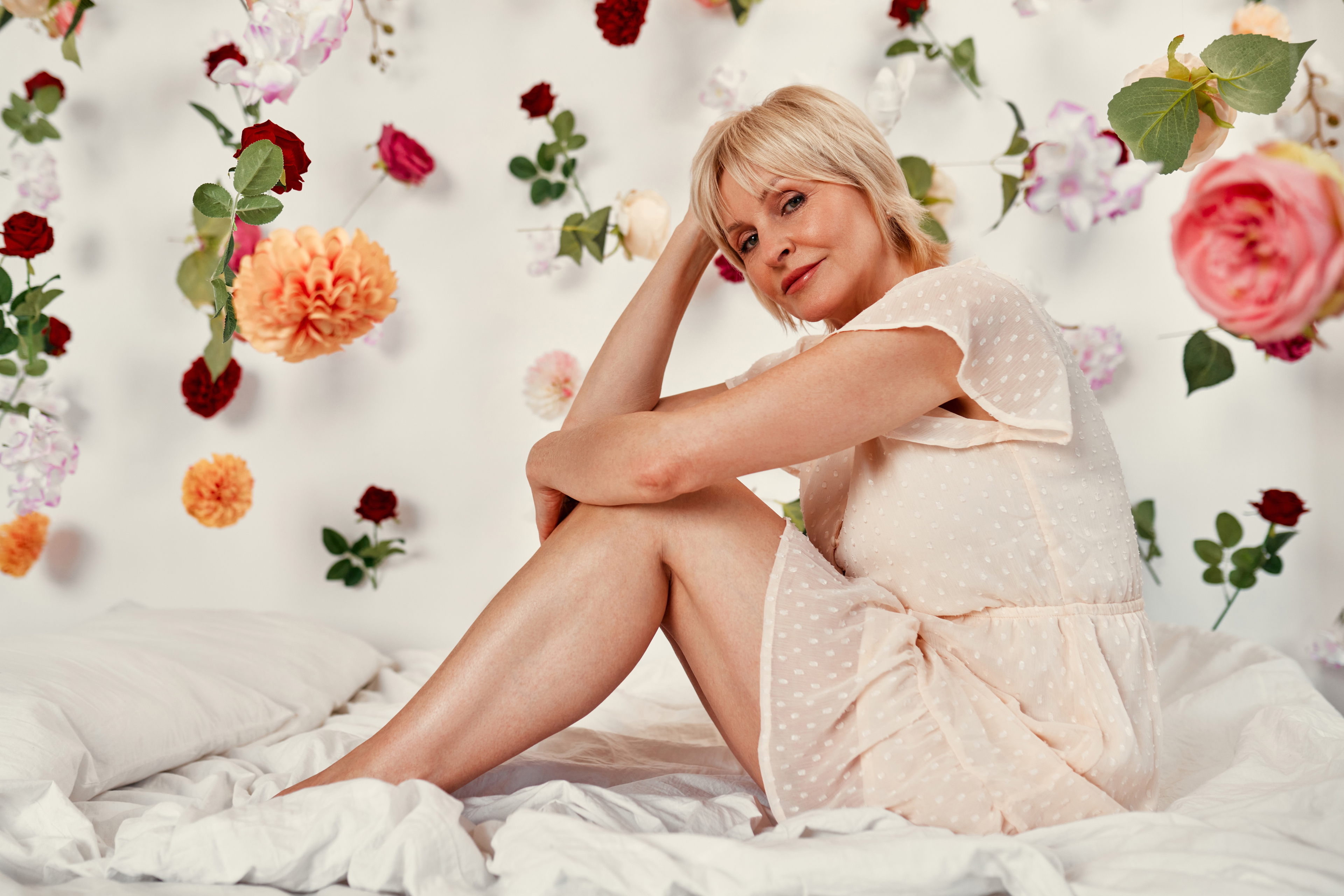
Modern boudoir photography has undergone a radical transformation, evolving from a genre primarily focused on creating “sexy pictures just for him” into a far-reaching body-positivity empowerment movement welcoming people of all genders, body types, ages, and identities. Contemporary boudoir photography prioritizes personal empowerment, inclusivity, and the celebration of authentic beauty, stripping away the staged luxury of the past in favor of genuine self-expression.
The definition of boudoir photography today is as diverse as the people who participate in it. As boudoir photographer Kara Marie Trombetta explains, “The definition of boudoir photography is one of the most argued about amongst photographers, but I find that just like any other genre of photography it’s open to interpretation by its artists and subjects. Personally, I simply define ‘boudoir’ as self-celebrating intimate portraiture intended to benefit primarily the subject themselves”. This philosophy represents a fundamental shift from viewing boudoir through the male gaze to understanding it through what has been termed the “female gaze” or “feminine gaze”—photography that celebrates strength, authenticity, and the subject’s own perception of their beauty rather than sexualizing or objectifying them.
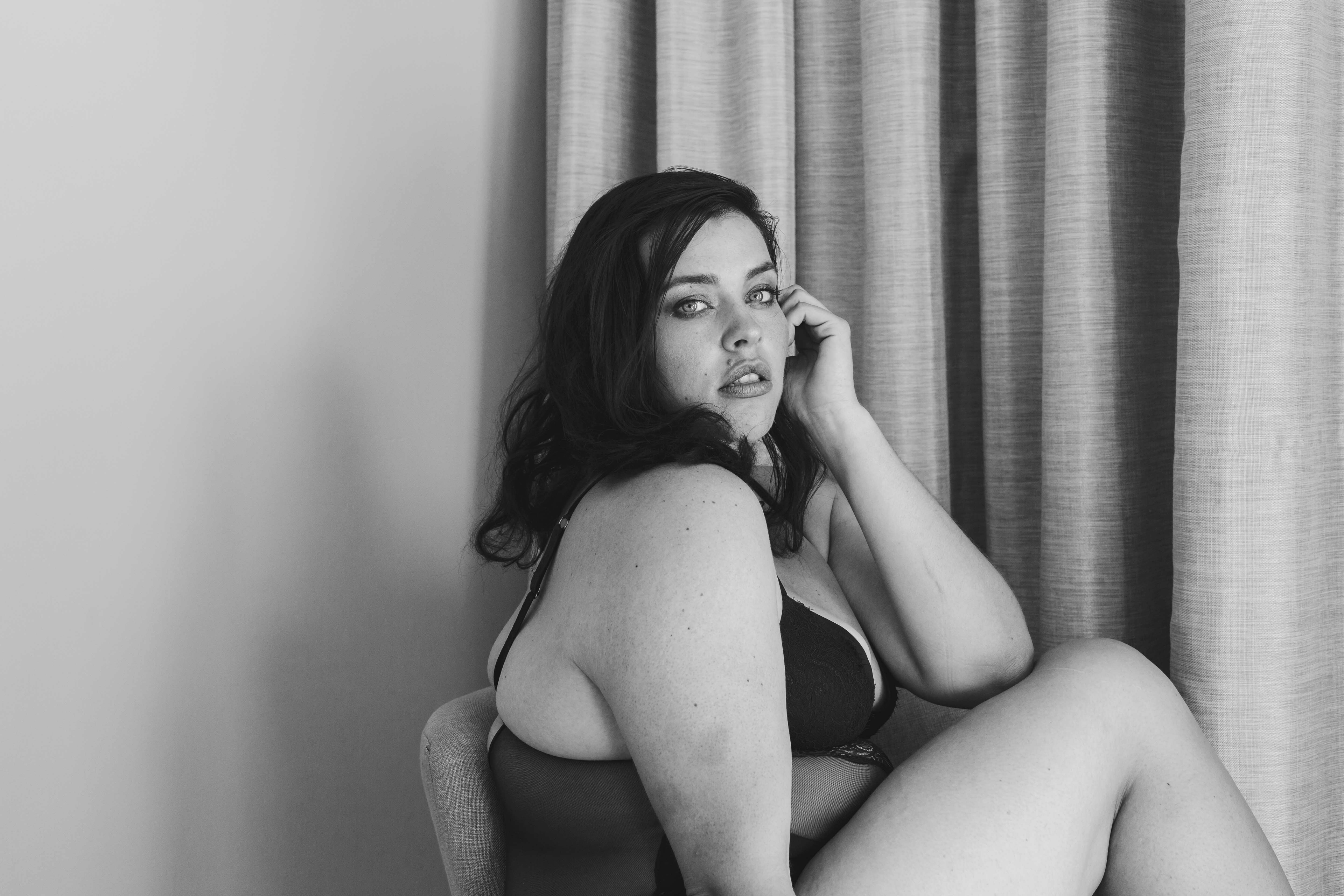
Body Positivity and Inclusive Representation: One of the most significant shifts in contemporary boudoir photography is the emphasis on body positivity and radical inclusivity. Women and men of all shapes, sizes, ages, backgrounds, and abilities are embracing boudoir sessions as a way to celebrate themselves exactly as they are. The movement actively challenges traditional beauty norms that have long dominated mainstream media, showcasing a vast spectrum of body types and ensuring that every client feels not only seen but genuinely celebrated during their photoshoot experience. Plus-size boudoir and curvy boudoir photography have become increasingly prominent, with photographers rejecting body-specific rules and instead celebrating the unique lines, curves, and features that define each person’s beauty. As one photographer notes, “Every body will look different in different poses, and the ones we haven’t seen will make us feel uncomfortable. But uncomfortable doesn’t mean bad; it just means different”.
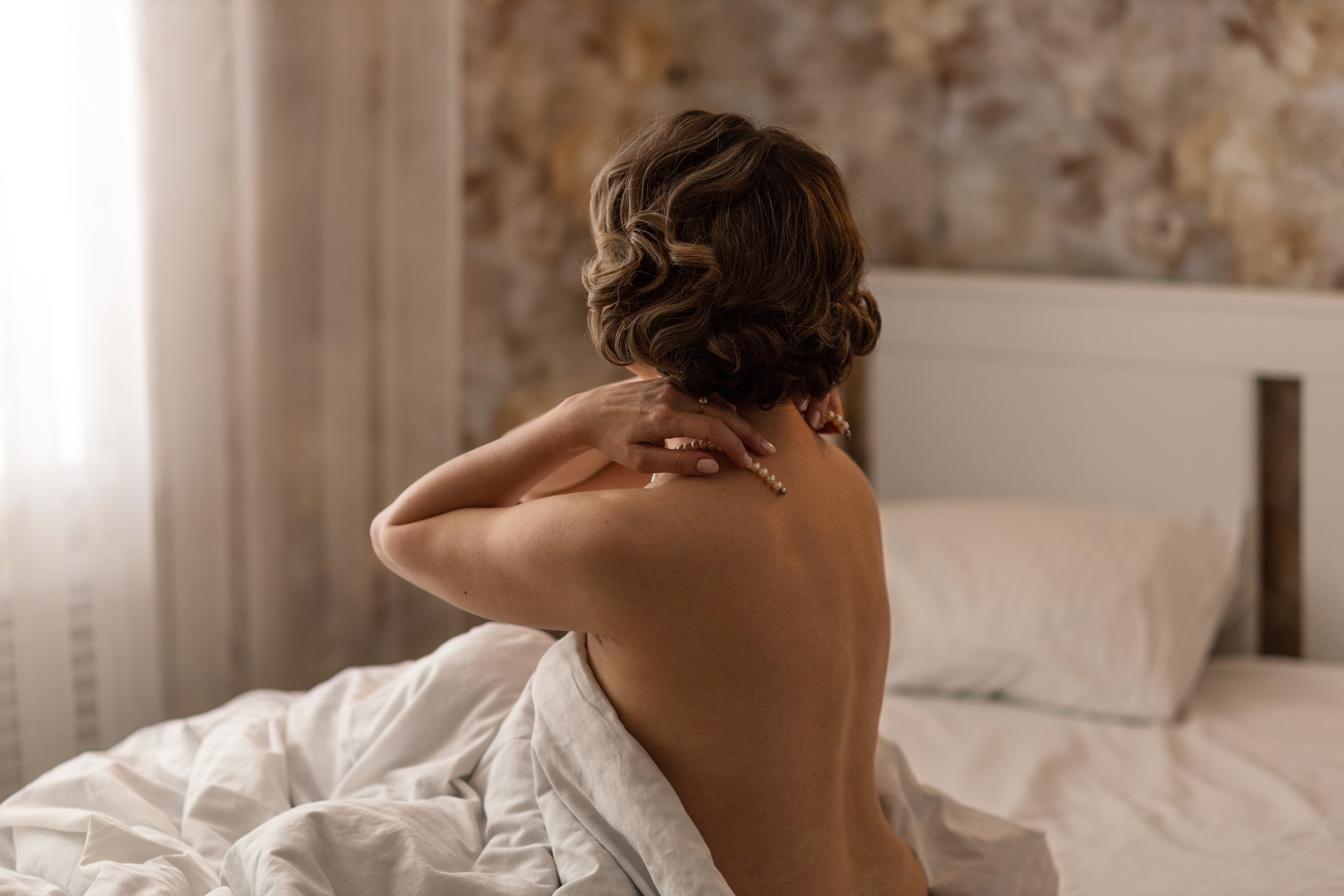
Contemporary Trends and Aesthetics: The visual style of boudoir photography has also evolved significantly. While vintage-inspired sessions with glamorous lighting and high-fashion lingerie remain popular—often termed “luxury” or “editorial-style” boudoir—other emerging trends include minimalist aesthetics prioritizing authenticity and natural beauty, outdoor and destination boudoir shoots in natural settings, cinematic storytelling that captures movement and emotion across a series of frames, and moody, mysterious aesthetics embracing shadows and dramatic contrasts. Modern boudoir often utilizes natural light and focuses on the subject’s essence and personal style rather than nudity or overt sexuality. Themed boudoir shoots celebrating individual interests and identities have gained popularity, allowing clients to express themselves in unique and meaningful ways.
The Business Reality: Despite the artistic and cultural evolution of boudoir photography, the industry has faced economic challenges in recent years. Beginning in 2022 and continuing through 2025, economic downturns and rising living costs have reduced discretionary spending, leading to fewer bookings and even studio closures. Photographers have had to adapt by diversifying services, enhancing their online presence, offering promotional deals, and implementing flexible pricing options. However, the underlying demand for empowering, body-positive photography experiences continues, suggesting that boudoir’s cultural significance extends beyond economic cycles.
Boudoir's Enduring Legacy: From Private Rooms to Public Empowerment
The journey of boudoir—from its origins as a dismissively named “sulking room” in 18th-century France to its current status as a powerful tool for self-expression and empowerment—reflects broader cultural shifts in attitudes toward gender, privacy, autonomy, and body image. What aristocratic women of the Enlightenment era began in their intimate chambers—the assertion of identity, the pursuit of intellectual and creative freedom, the exercise of autonomy—has been amplified and democratized through contemporary boudoir photography.
Today’s boudoir photography movement honors the original spirit of the boudoir as a woman’s private sanctuary while expanding its reach to include all people who seek to celebrate their authentic selves. The transformation from male gaze to feminine/personal gaze, from exclusivity to radical inclusivity, from objectification to empowerment, represents a reclaiming of agency that Marie Antoinette and her contemporaries might have recognized and applauded.
Boudoir photography has become a form of visual activism, challenging unrealistic beauty standards perpetuated by media and advertising, normalizing the viewing of diverse bodies, and helping individuals develop healthier relationships with their own appearance. By creating images that capture strength, vulnerability, confidence, sensuality, and authenticity, boudoir photographers help clients rewrite harmful narratives about their bodies and see themselves through a lens of appreciation rather than criticism.
The enduring power of boudoir—whether as a physical space or a photographic genre—lies in its capacity to create sanctuary: a place or moment where individuals can exist fully as themselves, free from external judgment and societal constraints. From the French aristocrat retreating to her private chamber to read and reflect, to the contemporary person of any gender stepping in front of a camera to celebrate their unique beauty, the essence of boudoir remains remarkably consistent—it is about claiming space, asserting identity, and recognizing one’s inherent worth.
As we look toward the future, boudoir photography continues to evolve with technological advancements, changing social norms, and an ever-expanding understanding of beauty and identity. Virtual reality and augmented reality technologies promise more immersive experiences, while social media movements continue to drive demand for authentic representation and body positivity. What began as a somewhat scandalous practice in 1890s France has matured into a respected art form that serves an important cultural function—helping people of all backgrounds see themselves as beautiful, worthy, and powerful exactly as they are.
The story of boudoir is ultimately a story of transformation and empowerment. It reminds us that spaces and practices once defined by others can be reclaimed and redefined to serve our own needs and aspirations. In honoring the origins of boudoir while embracing its contemporary evolution, we recognize that the desire for privacy, autonomy, self-expression, and recognition of one’s beauty is neither historically confined nor culturally limited—it is profoundly, enduringly human.