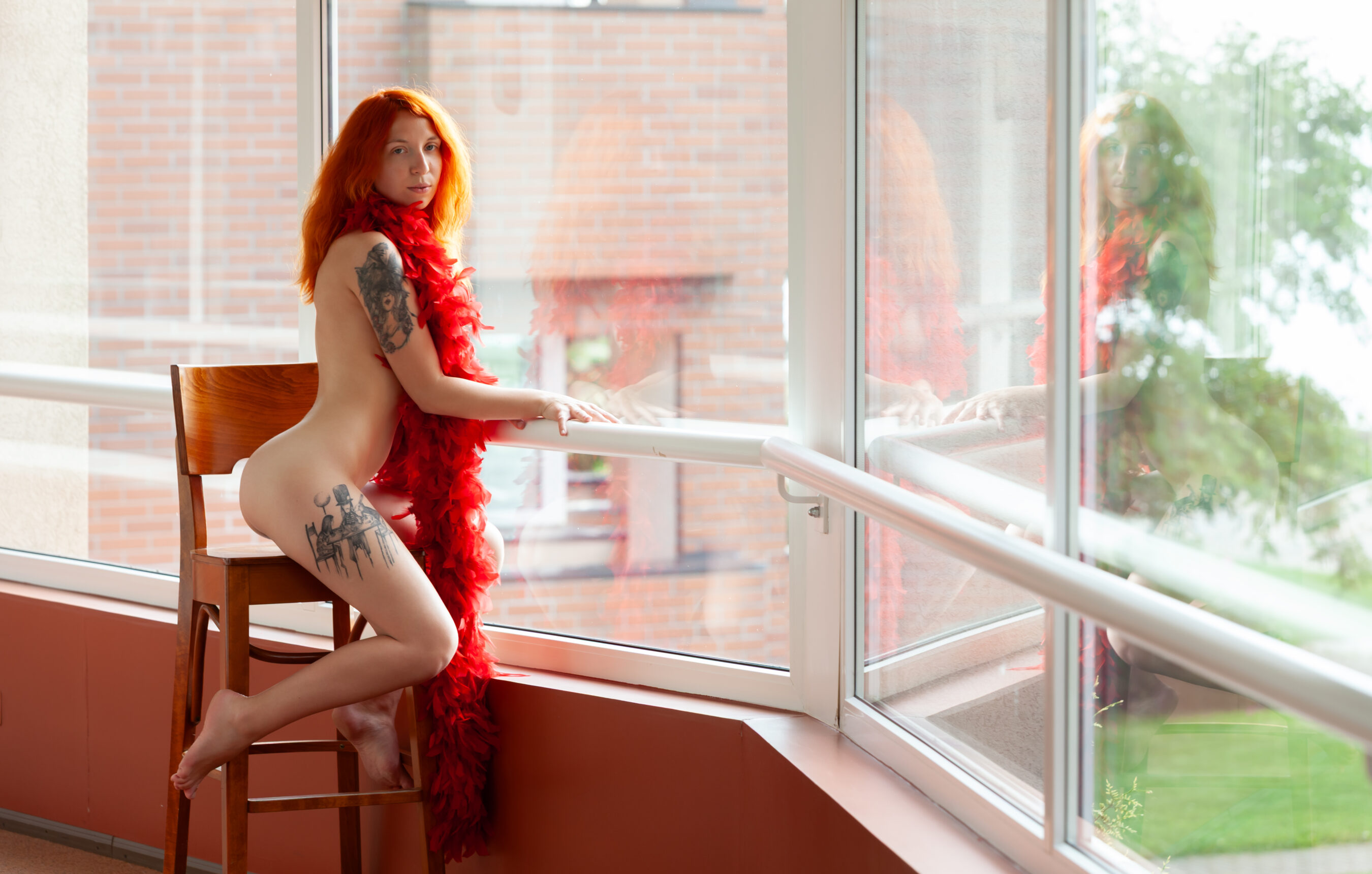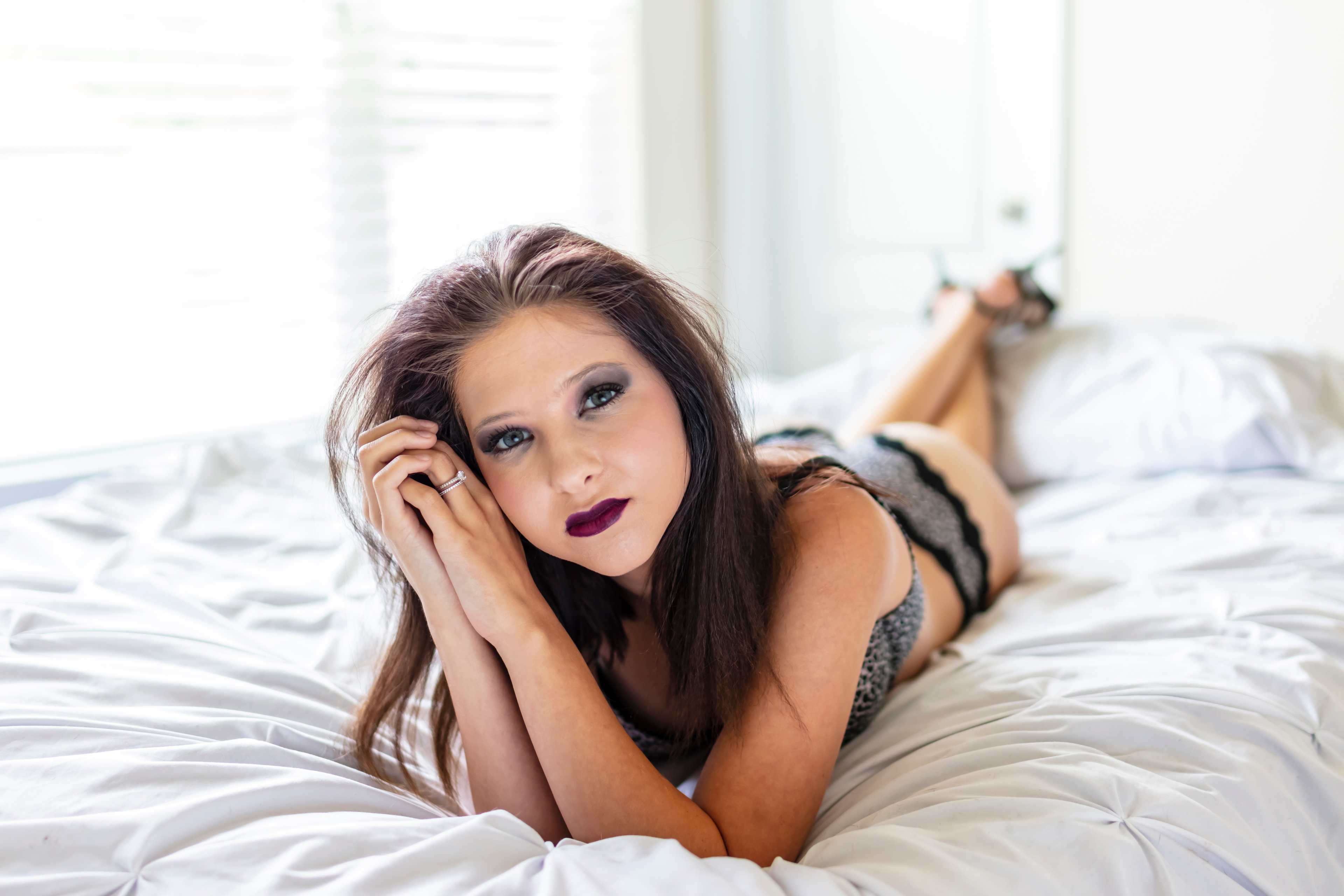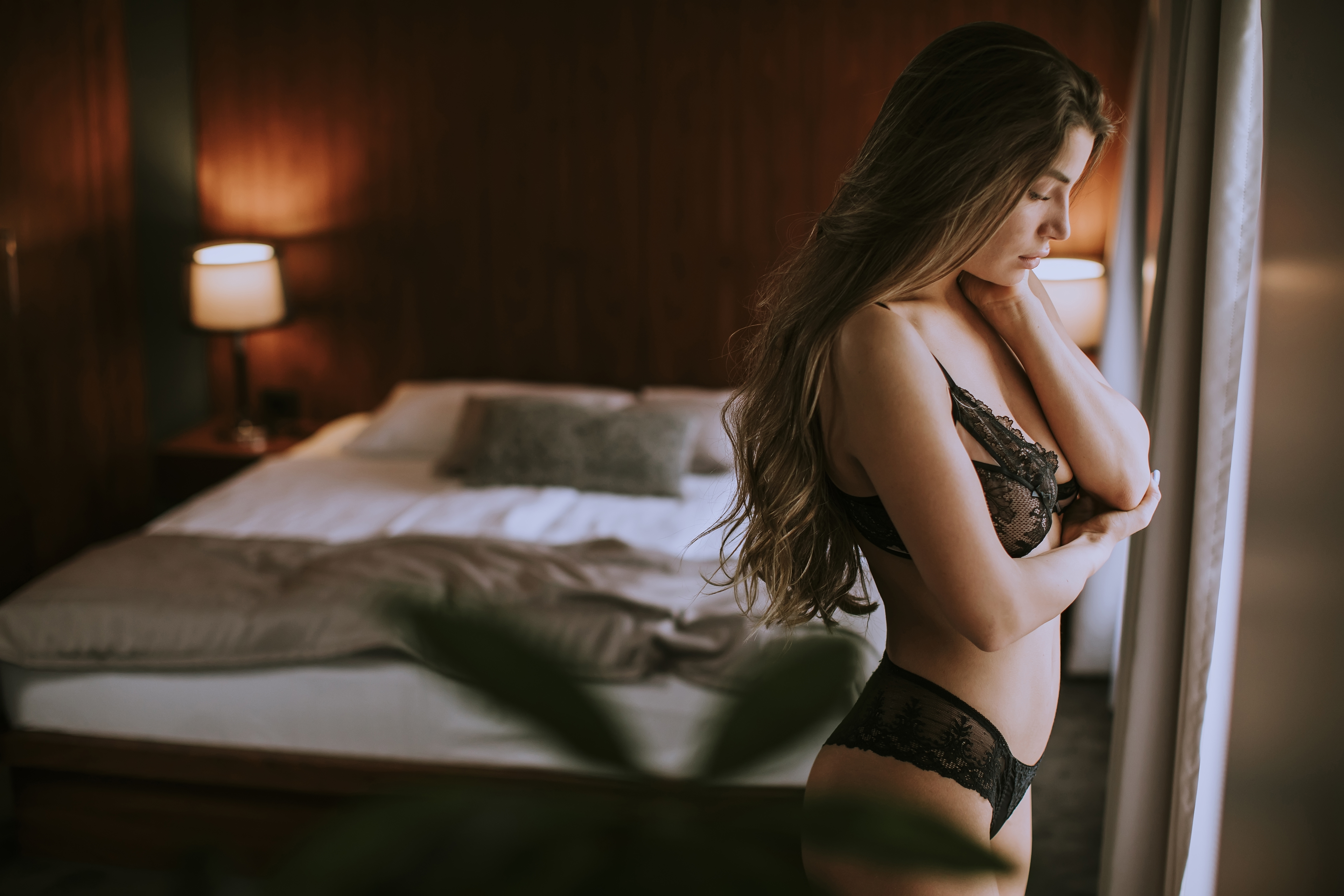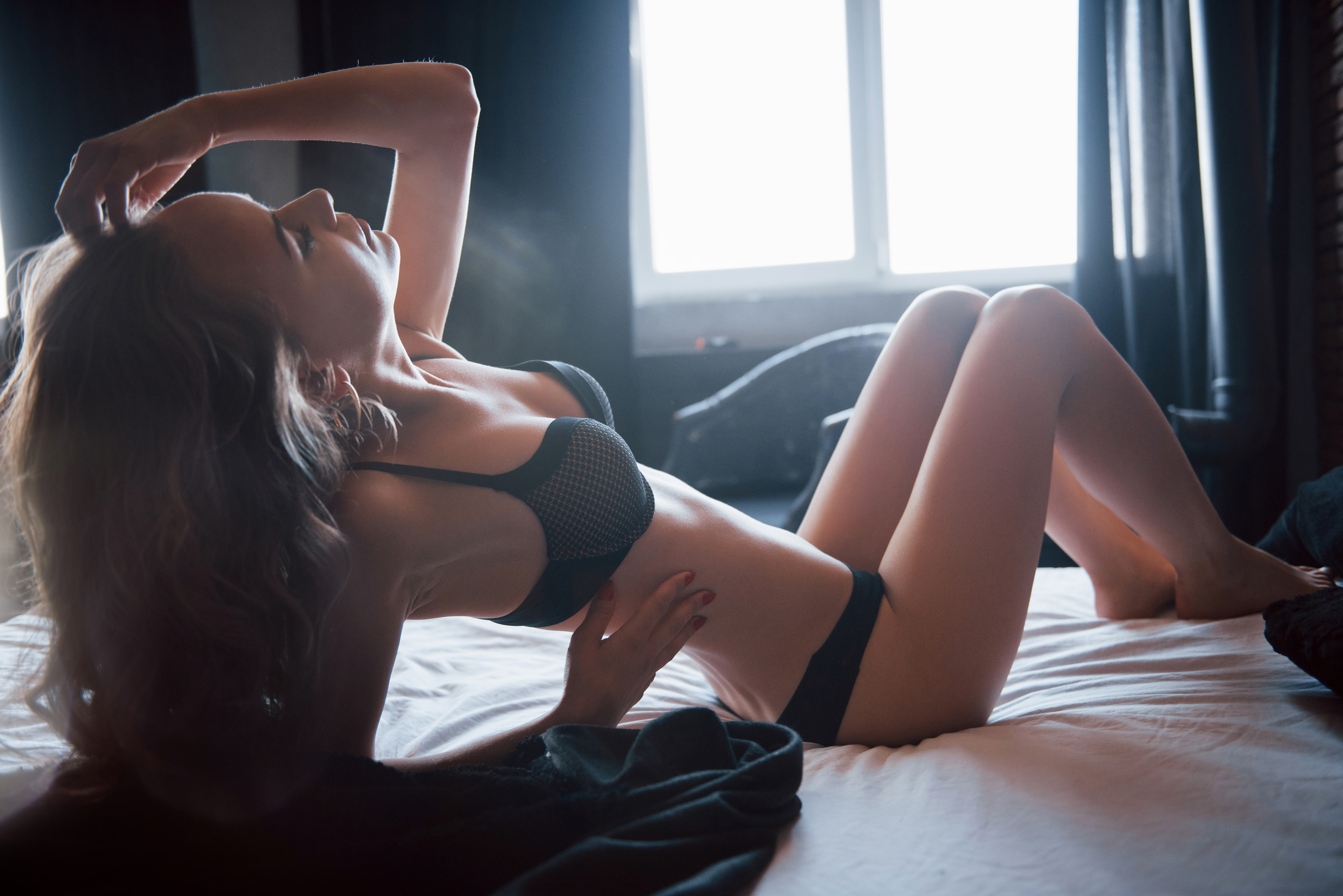
Two photographs of the same woman, in the same pose and the same outfit, can feel completely different. One is airy and tender, the other rich and mysterious. Most of that difference comes from light. Understanding a few common boudoir lighting styles helps you recognize what you are drawn to and talk about it with your photographer, so your gallery carries the mood you actually want.
This is not a technical guide, and you do not need to learn any photography terms. Think of it as a way to put words to something you already feel when you look at an image you love.
Your photographer will handle the equipment and the details. Your part is simply to know which atmosphere speaks to you.
Light Is the First Thing You Feel
Before you notice a pose or an outfit, you register the light. Bright, even light tends to feel open, honest, and fresh. Deep shadows feel private and dramatic. Warm tones feel cozy; cool tones feel calm and modern. These reactions happen almost instantly, before you have time to think about why.
That is why choosing among boudoir lighting styles is not a minor detail. It sets the emotional tone of every image, and it influences how you will feel when you look back at the photographs years from now.
It is also worth knowing that lighting choices are separate from scheduling. The hour of the day affects natural light, and that is a topic of its own, explored in this guide to the best time of day to schedule your boudoir shoot. Here, the focus is on the character of the light itself and how it shapes mood.
Soft Window Light
Soft window light is perhaps the most familiar look in boudoir photography. Light enters through a large window, often diffused by sheer curtains, and wraps gently around the body. Shadows are present but mild, and transitions from light to dark are smooth.
This kind of light is forgiving and flattering. It smooths texture without hiding it, gives the eyes a natural sparkle, and suits a wide range of skin tones. It tends to produce images that feel intimate and real, as if someone caught a quiet moment in your own bedroom.
If you want photographs that feel tender, natural, and timeless, this style is a lovely place to start. Many photographers use it as a foundation and then vary it throughout the shoot.
Bright and Airy
Bright and airy images take soft light a step further. Backgrounds are often pale, walls and bedding are white or cream, and exposure is set so that the whole frame feels luminous. Shadows are kept minimal.
The mood here is fresh, light-hearted, and romantic. It works beautifully with soft fabrics, pastel colors, and playful expressions. Many women who feel nervous are drawn to this look because it feels gentle and welcoming rather than intense.
Bright styles can sometimes lose a little shape, since shadows are what show the contours of the body. A skilled photographer balances brightness with just enough shadow to keep form and depth.
Dark and Moody
At the other end of the spectrum is a darker, moodier look. Backgrounds fall into deep shadow, and light is shaped so that only parts of the body and face are illuminated. Colors are often richer and more saturated, with deep blues, greens, burgundies, or blacks.
Among boudoir lighting styles, this one tends to feel the most dramatic and sensual. It can also feel surprisingly protective. Because so much of the frame falls into shadow, you reveal only what the light chooses to touch. Some women who feel shy find this look more comfortable than bright light for exactly that reason.
Dark styles pair well with velvet, lace, deep colors, and confident expressions. They can also feel quietly powerful, like a classical painting.
Directional and Side Light
Side light comes from one direction, often low and to the side, and skims across the body. It emphasizes curves, muscle, and texture, and it creates a strong contrast between the lit side and the shadowed side.
This approach can be sculptural and artistic. It suits images where shape is the subject, such as the line of a back, the curve of a hip, or the profile of a face. It can also be used gently, with a reflector filling in some shadow so the effect is soft rather than stark.
If you love fine art photography or black and white images, ask your photographer whether they work with directional light. It is one of the more versatile boudoir lighting styles once you understand how much it can vary.
Backlight and Silhouette
Backlighting places the light source behind you, such as a bright window with you standing in front of it. Depending on how the photographer exposes the image, this can create a glowing outline around your hair and skin or a full silhouette in which your shape is visible but details are hidden.
Silhouettes are wonderful for women who want to celebrate their form without showing much detail. They feel elegant, private, and graphic. A glowing backlit portrait, on the other hand, feels dreamy and warm, with light spilling around the edges.
Backlighting is often used for a few frames within a larger gallery, adding variety and a sense of atmosphere between closer portraits.
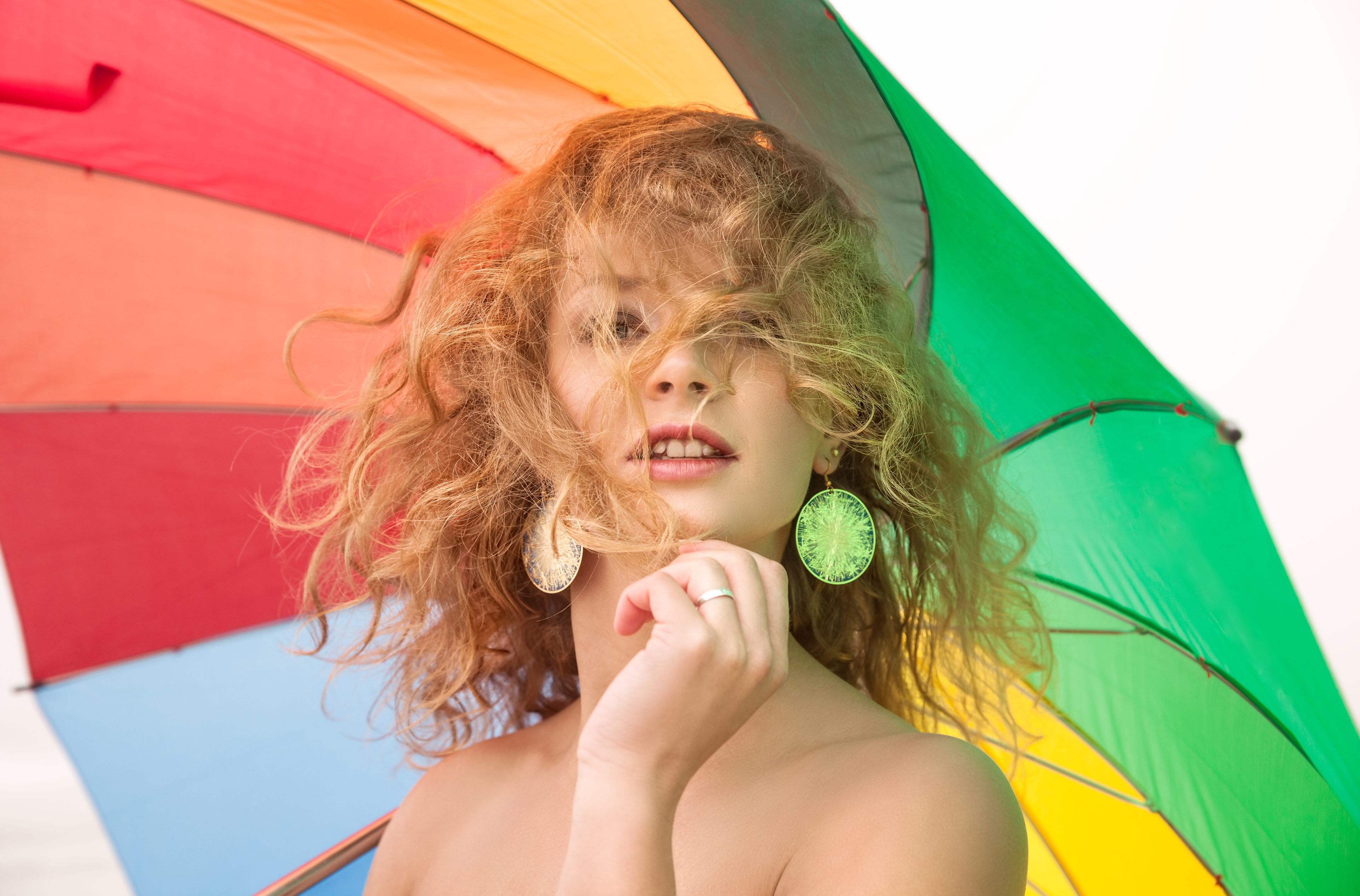
How Light Interacts With Skin, Fabric, and Color
Light does not act alone. It interacts with everything in the frame. Satin and silk reflect light and look luminous in soft illumination. Lace casts delicate patterns of shadow when lit from the side. Knitwear and linen gain texture under directional light.
Skin responds to light, too. Soft light gently evens out texture, while hard light emphasizes it. Neither is better; they simply say different things. Makeup is also designed with light in mind, which is part of why professional hair and makeup make a difference in how the finished images look on camera.
Color plays a role as well. Warm light enhances golden and red tones, creating an inviting feel. Cooler light suits a calmer, more editorial mood. Your photographer may adjust color during editing, but the light in the room sets the starting point.
Black and White as a Lighting Choice
Black and white is often thought of as an editing decision, but it is closely tied to light. Without color, the eye reads only brightness and shadow, so the shape of the light becomes the whole story. Directional and moody boudoir lighting styles often translate especially well into monochrome, because their contrast gives the image structure.
Many women find black and white images feel timeless and a little removed from everyday life. Skin tones become even, distractions fall away, and attention moves to expression and form. If you are unsure about seeing yourself in full color, a few monochrome frames can feel like a gentle way in.
Ask whether your photographer offers a mix of color and black and white in the final gallery, and whether you can request specific images in one or the other.
When Light Does Not Feel Flattering
You may have had the experience of seeing a photograph of yourself under overhead office light or a harsh noon sun and wincing. That reaction is about the light, not about you. Light from directly above casts shadows under the eyes and chin, and unfiltered sun creates hard edges that exaggerate texture.
Thoughtful boudoir lighting styles avoid those problems by controlling the direction, softness, and intensity of light. Knowing this can be quietly reassuring. Many women who believe they are not photogenic have simply never been photographed in light that was shaped with care.
If you have particular worries, such as how your skin texture or a certain part of your body will appear, mention them. Your photographer can choose light that is kind to those areas while still feeling natural.
Choosing Among Boudoir Lighting Styles
The simplest way to discover your preference is to collect images you love. Save a handful of photographs, from any source, that make you stop and look twice. Then look for patterns. Are they bright or dark? Soft or contrasty? Warm or cool? You may find you are drawn to one look more than you realized.
Consider also how you want to feel during the shoot. If you want to feel light and playful, a bright style may support that. If you want to feel bold and mysterious, a darker approach may help you step into that mood.
You do not have to choose just one. Many galleries move between two or three boudoir lighting styles, starting soft and bright and moving into something moodier as you grow more comfortable. That progression can mirror your own growing confidence across the appointment.
Talking About Light With Your Photographer
When you share inspiration images, explain what you like about them in plain words. You might say, “I love how soft and glowy this feels,” or “I like that most of the room is in shadow.” Your photographer will translate those feelings into technical choices.
Ask to see examples from their own portfolio in the styles you are considering. Every photographer has strengths, and their past work shows you which boudoir lighting styles they handle with the most skill. If you love a look that does not appear in their portfolio, ask whether they are comfortable creating it.
It is also fine to ask practical questions. Will they use natural light, artificial light, or both? Does the space they work in suit the mood you want? Clear communication now means fewer surprises later.
Letting the Light Do Its Work
On the day itself, you do not need to think about light at all. Your photographer will place you, turn you toward or away from the source, and adjust as needed. Your role is to relax into each position and trust that the light is being shaped with care.
Sometimes the most beautiful moments happen when you simply turn your face toward a window and close your eyes. Light has a way of making ordinary moments feel meaningful. Even within a single setup, small shifts in your position can move an image between different boudoir lighting styles, from bright and open to soft and shadowed, simply because you turned a few degrees.
Whichever of these boudoir lighting styles you choose, remember that the goal is not a particular aesthetic for its own sake. It is a set of images whose mood feels true to you, lit in a way that lets you see yourself clearly and kindly.