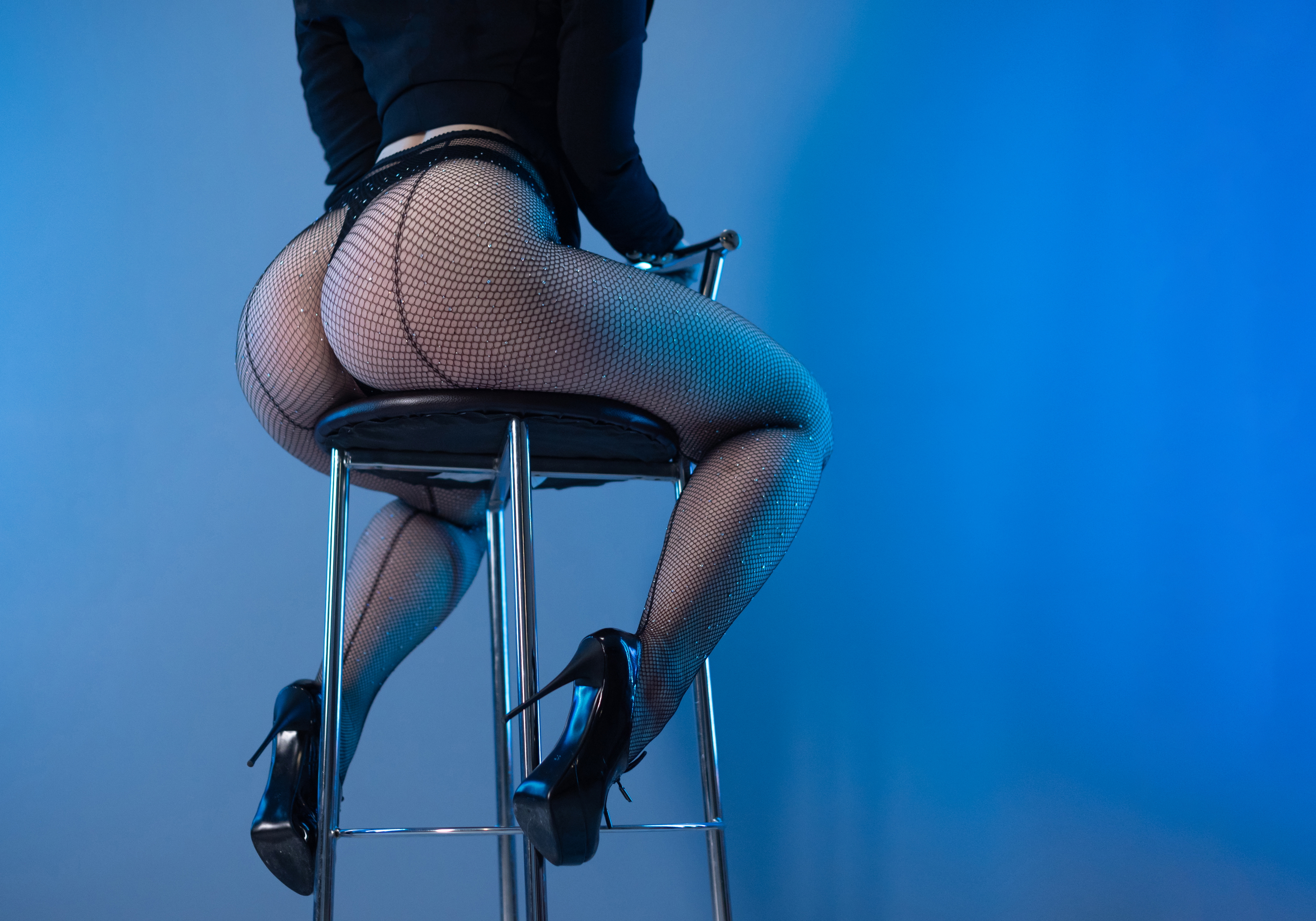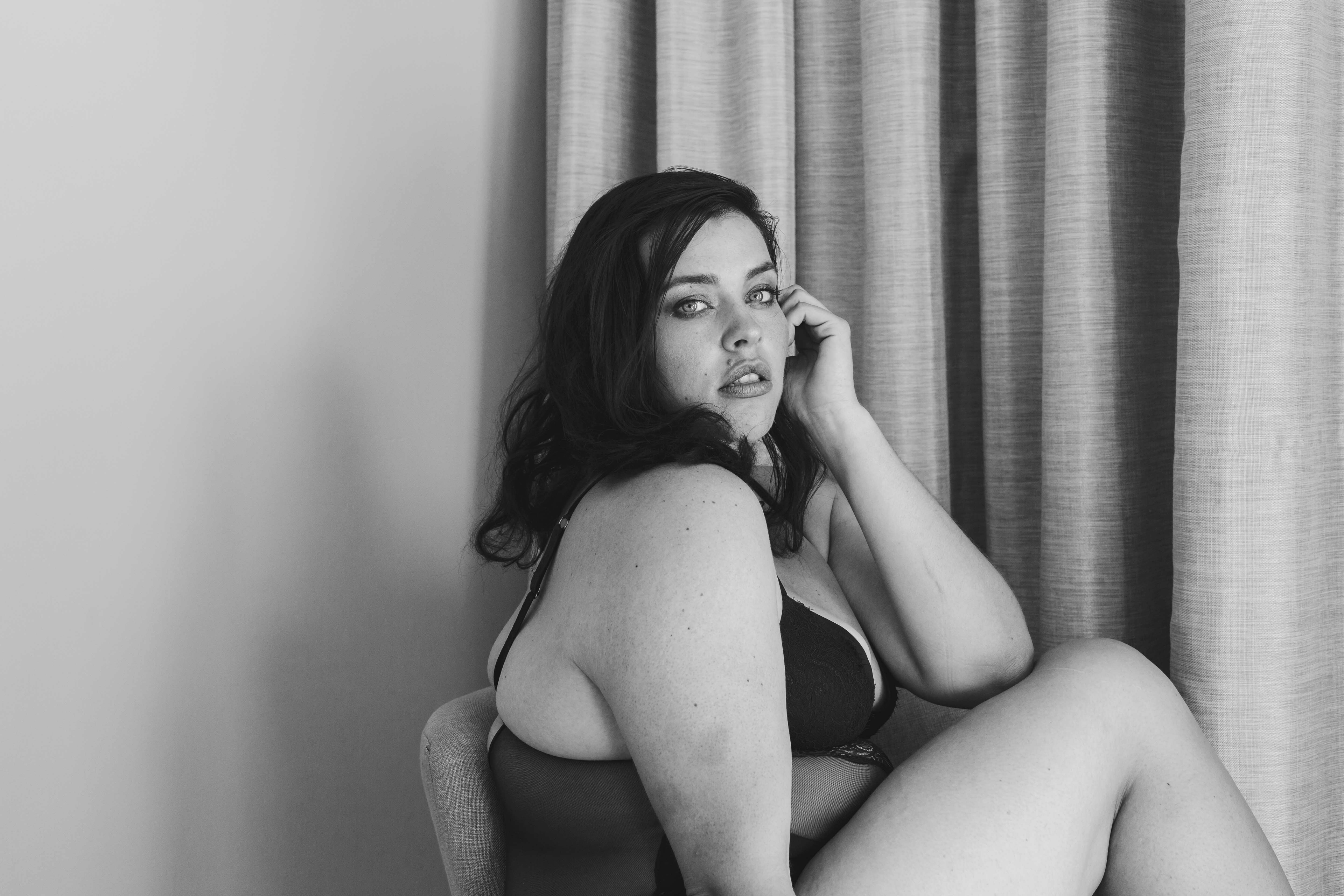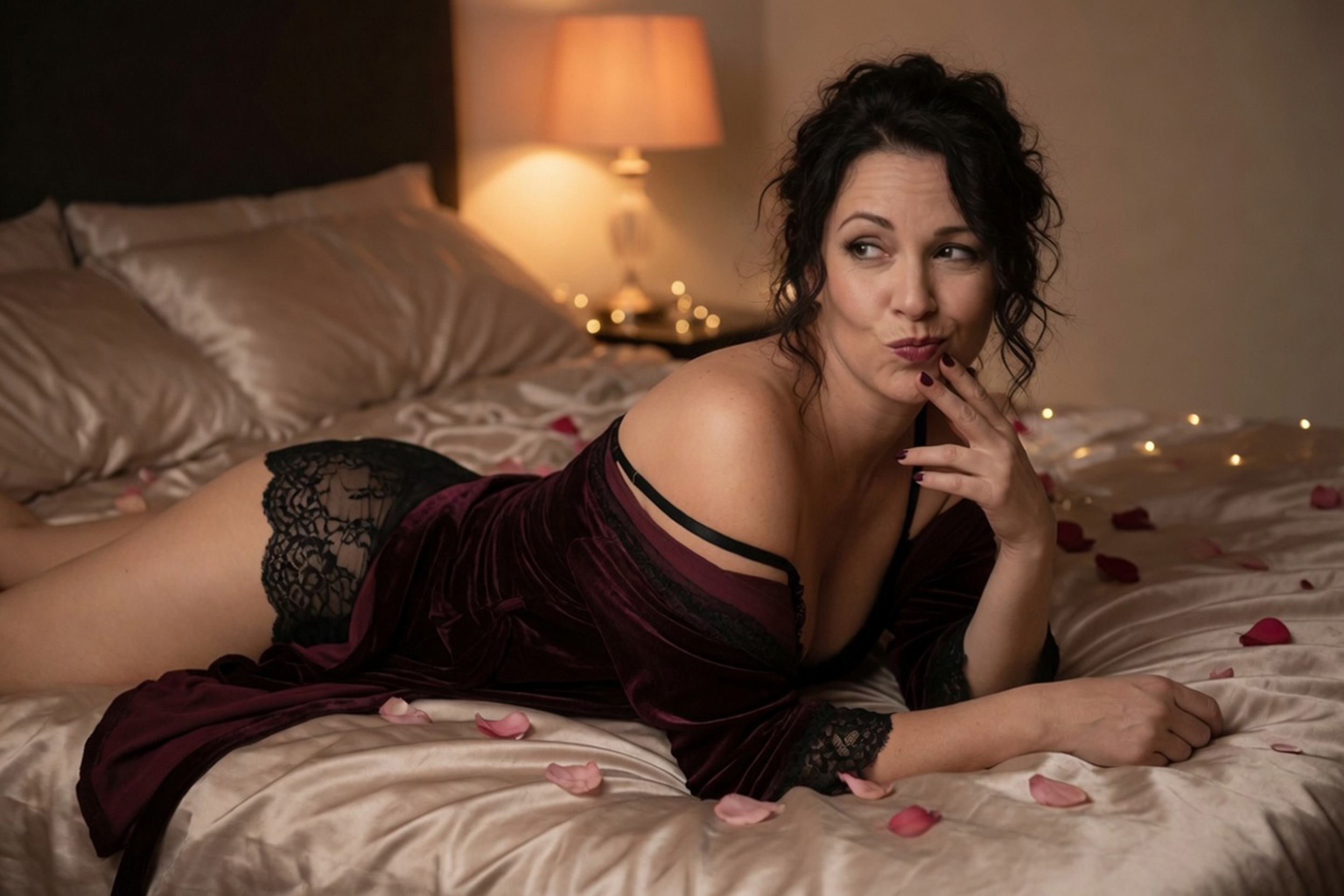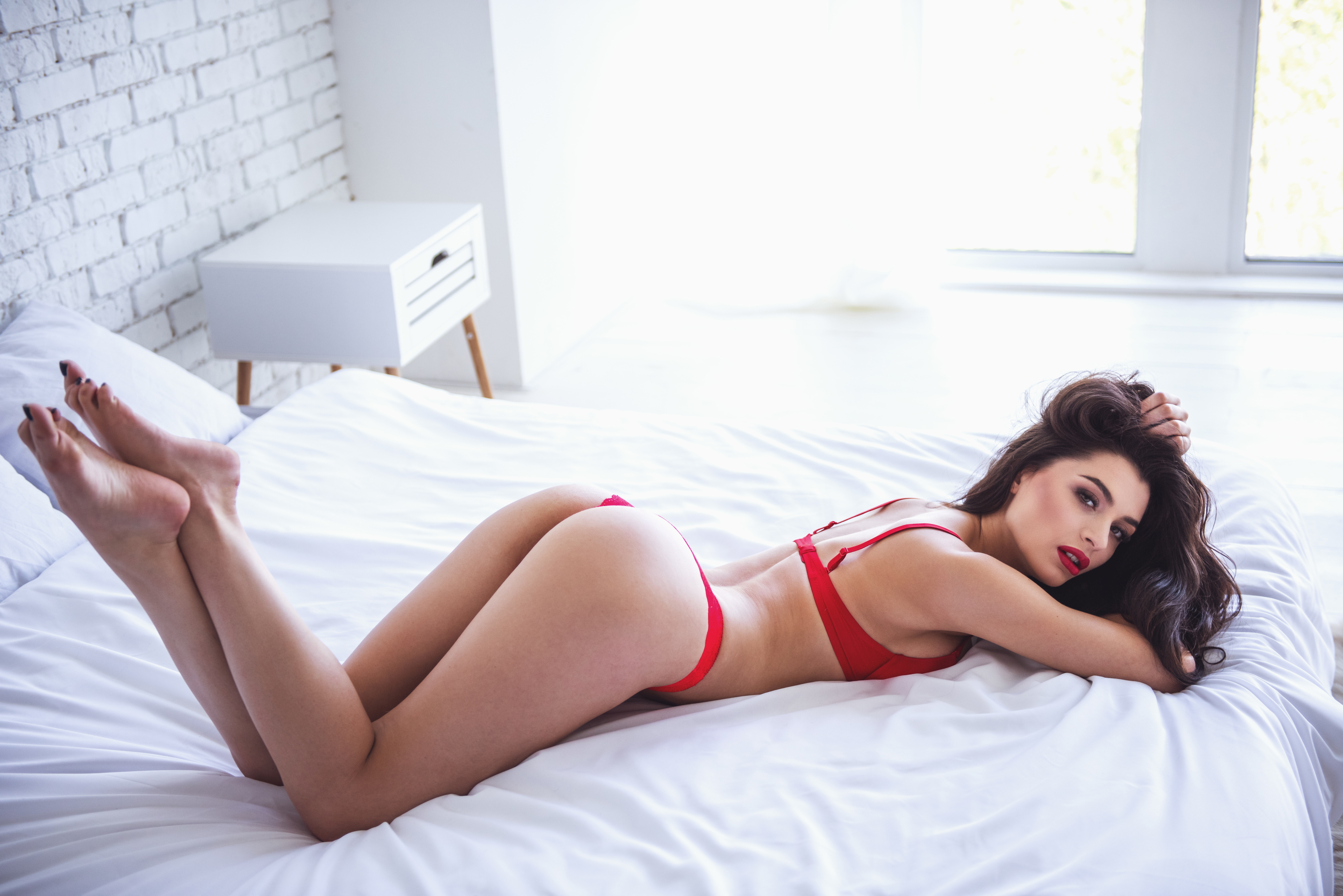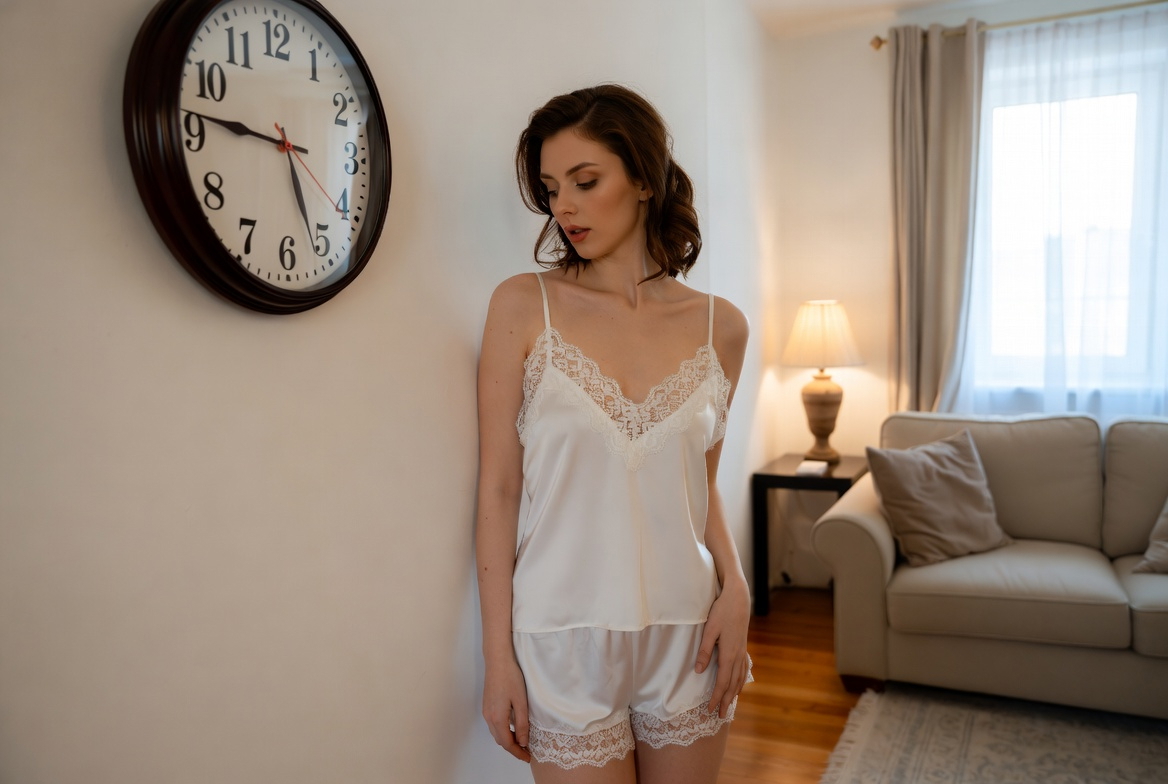
Choosing the best time of day for your boudoir shoot is more than a practical decision—it powerfully influences lighting, your comfort and confidence, and ultimately, the entire atmosphere of your session. Most professional photographers agree: for maximizing beauty, emotion, and self-assuredness, mornings and golden hour (sunrise/sunset) stand out as top choices, with each offering unique advantages tailored for both indoor and outdoor boudoir photography.
Light, Energy, and Confidence: Why Time of Day Matters
The quality of light and your mental and physical state are foundational to any boudoir shoot. Morning sessions generally bring a sense of freshness and relaxed energy for clients, making it easier to enjoy the pampering experience and engage confidently in front of the camera. In contrast, golden hour—just after sunrise or just before sunset—provides warm, flattering outdoor light and a magical ambiance coveted by both photographers and clients for its romantic, natural glow.
Indoor vs. Outdoor Boudoir Shoots
Indoor Sessions: Privacy and Versatility
Indoor boudoir sessions are favored for consistent privacy and better control over lighting. The morning is often preferred: fresh energy, natural window light, and freedom from the worries of weather or crowded spaces make it ideal. Artificial lighting installations can also allow for flexibility at any hour, provided there is skill in shaping and softening the light for a flattering effect. Clean, north-facing window light especially yields luminous, even skin tones, contributing to a classic boudoir aesthetic.
Outdoor Boudoir: Drama and Atmosphere
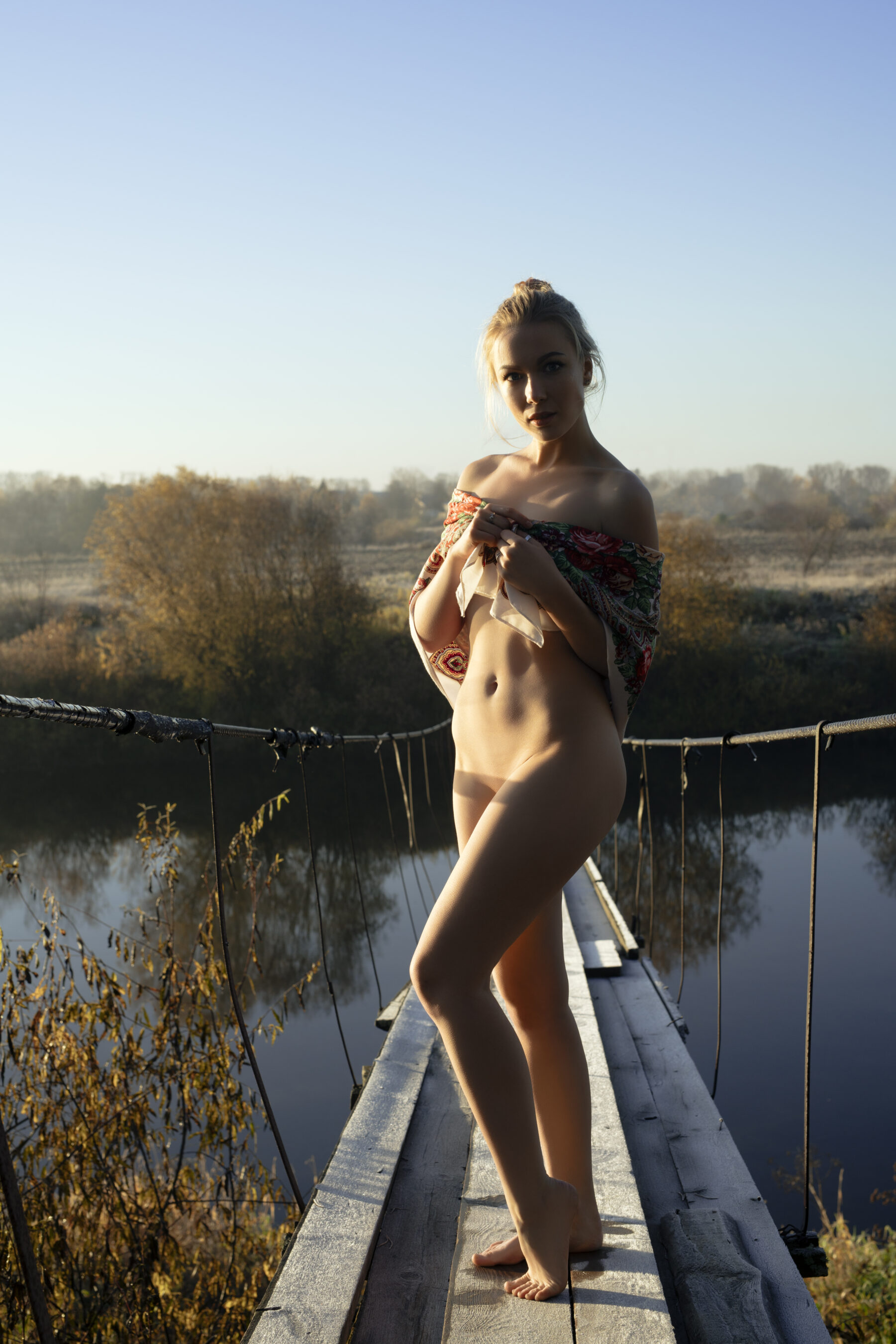
For those drawn to the evocative ambiance of the outdoors, timing is even more critical. The so-called golden hour is revered for its soft, diffused light, long shadows, and richly warm tones that impart a dreamy, romantic mood to the photographs. Midday, with its intense sun overhead, creates sharp, unflattering shadows—making outdoor boudoir at this time more challenging, unless diffused or professional gear is used to compensate.
Golden hour not only enhances visual appeal but can also positively influence the client’s mood, supporting feelings of empowerment and beauty. However, the limited window of this light requires precise planning for makeup, hair, and shoot logistics.
Natural vs. Artificial Light: Pros and Cons
Natural light offers soft authenticity and requires minimal equipment. It’s highly dependent on location, weather, and, of course, time of day. Morning and late afternoon sunlight indoors can produce beautifully balanced images with minimal shadows and glowing skin. For those desiring a modern edge or shooting at unconventional times, artificial lightprovides full creative control, enabling dramatic effects and consistent results regardless of the hour or weather. Professional boudoir photographers often leverage both, tailoring their approach to each client’s needs and the intended visual mood.
Client Energy and Session Experience
Energy and confidence naturally peak early in the day. Most people feel less anxious, more rested, and ready to be pampered in the morning. This ideal state supports better engagement and self-assurance in front of the camera, especially for first-time boudoir clients. Golden hour, on the other hand, is recommended for those who appreciate sensual, moody, or dramatic images, provided they plan restorative routines before the shoot to maintain energy.
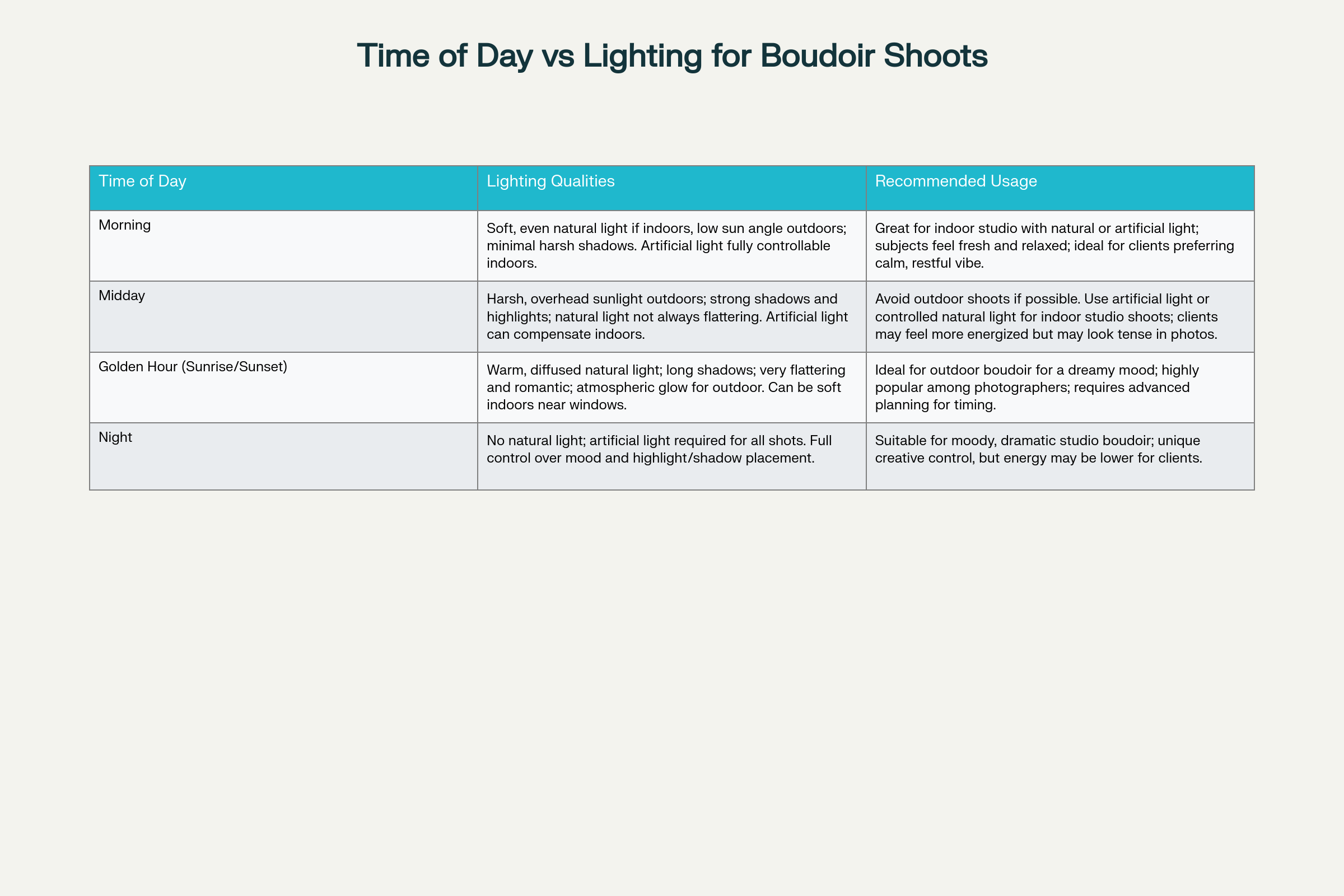
Time of Day and Lighting: At-a-Glance Comparison
Here is a concise chart to help you visualize the optimal timing, lighting qualities, and recommended scenarios for your boudoir session:
Recommendations from Professional Boudoir Photographers
Morning Sessions: Best for indoor shoots with natural light; supports client freshness, comfort, and self-confidence.
Golden Hour: Unrivaled for outdoor sessions with dramatic, romantic light; preferred by photographers for its ambiance and gentle light.
Midday: Generally discouraged outdoors unless overcast or shaded; artificial or controlled window light is necessary for optimal results inside.
Night: Purely dependent on artificial light; enables creative, moody, or high-contrast images for advanced visual narratives.
Conclusion
The best time to schedule your boudoir shoot depends on your personal energy, visual goals, and session setting. Most people find that morning sessions offer the best combination of confidence, lighting, and emotional readiness for indoor photography, while golden hour is unmatched for evocative outdoor images. For both, thoughtful preparation—rest, nutrition, planning, and emotional grounding—ensures you’ll enjoy and remember the experience as heroic and empowering.
For an in-depth, printable guide with visual inspiration and more on timing and pre-shoot rituals, see the attached PDF resource.